
Variations of tennis have been played since at least the 12th Century. It goes back so far many details of its development appear to have been lost to history. But the sport’s popularity around the world is undeniable and continues after roughly a millennium of existence.
Given those facts, it’s probably not too surprising that many influential political figures have also been keen tennis players. Here is a possible all-time tennis field of competitors, factoring in their success on the court and the prominence of the offices they’ve held.
Our 2025 Thailand Songkran Holiday
Watch More
1. Ilie Nastase (Romania)
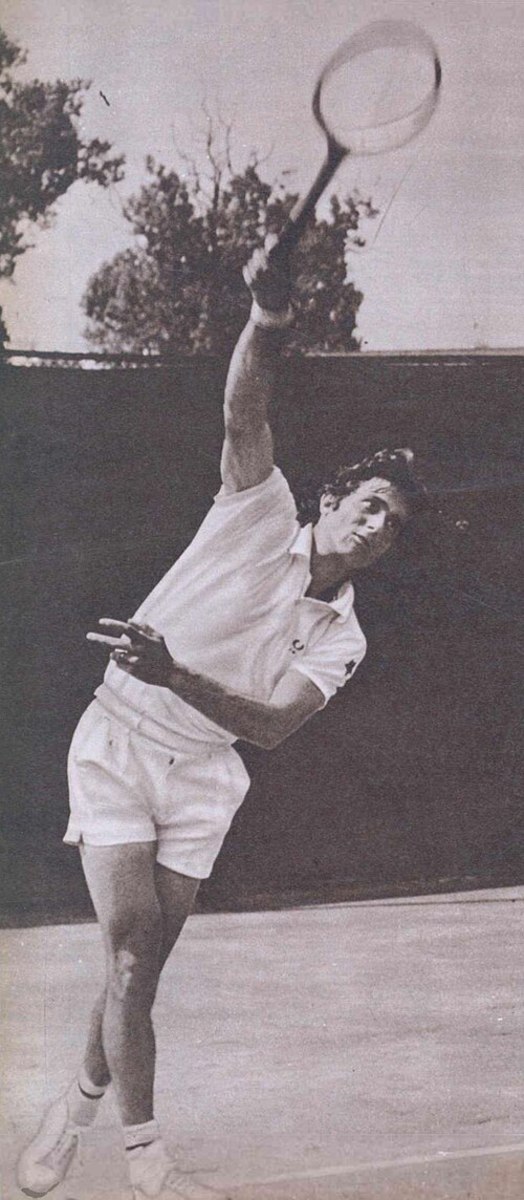
Ilie Nastase was one of the world’s biggest tennis stars during the late 1960s and throughout the 1970s. Between singles, doubles and mixed doubles play, he achieved the Career Grand Slam with a total of seven titles altogether. Among his other tournament triumphs were four editions of the Masters Grand Prix.
In group competition, Nastase led Team Romania to the Final of the Davis Cup three times. Not long after, he became the first player to receive the #1 ranking in the world from the ATP, holding the spot for 40 weeks. In 1991, he was inducted in the International Tennis Hall of Fame.
Five years later, Nastase ran for Mayor of Bucharest, losing to future Prime Minister Victor Ciorbea. Nastase eventually held a seat in the Senate of Romania.
2. Dwight F. Davis (United States)
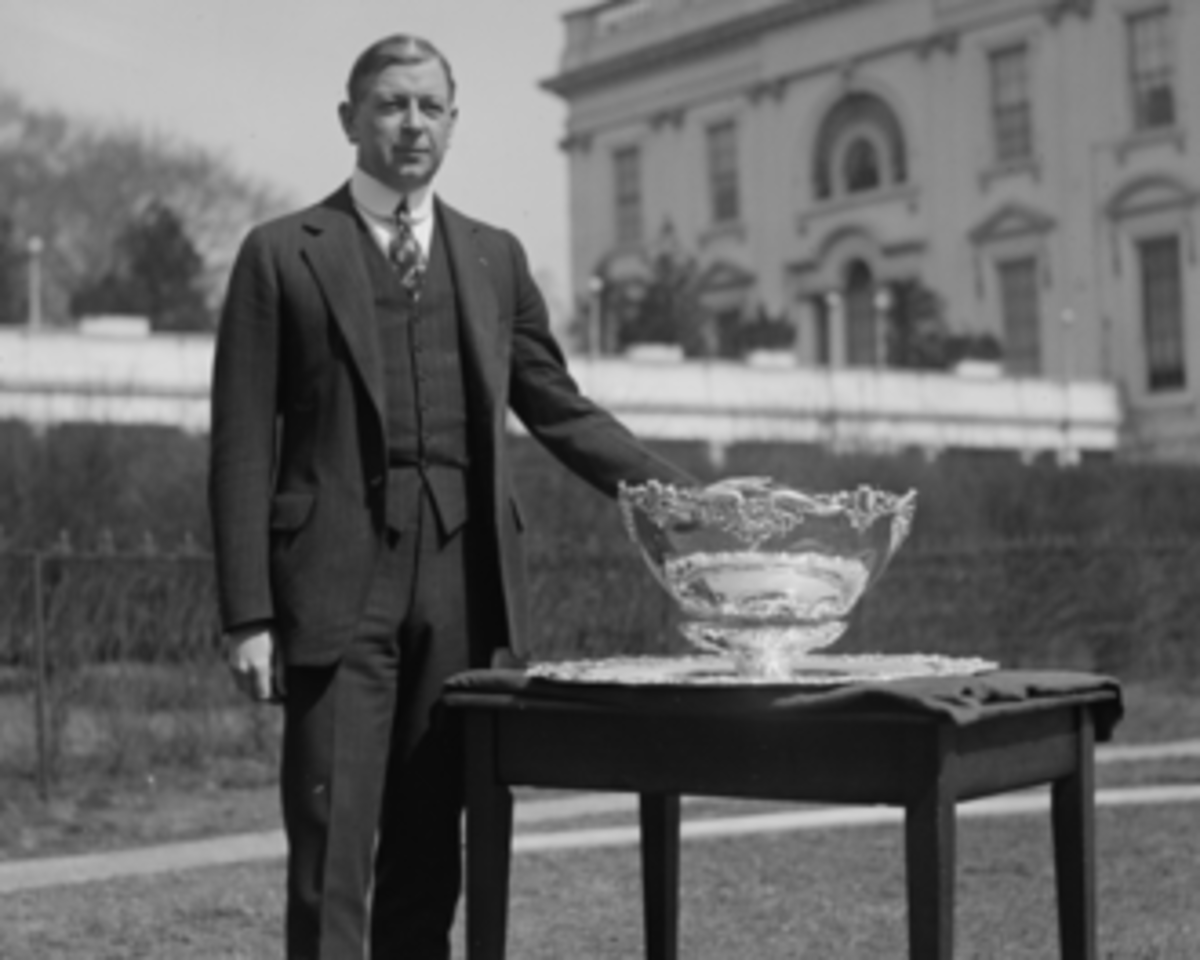
Not only was Dwight F. Davis a highly successful tennis player, he is the namesake for one of the sport’s most premier events. While a student at Harvard University, Davis won a National Championship as a singles player in 1899. That same year, he won the first of three doubles titles at what would become the U.S. Open.
Along the way, he donated the trophy and played a small role in the development of the competition eventually known as the Davis Cup. Davis himself played on the United States teams that won the event in 1900 and 1902. Later, he played at the 1904 Olympics and was enshrined as one of the very first inductees in the International Tennis Hall of Fame.
During World War I, Davis served in the United States Army and received the Distinguished Service Cross for his actions during the Meuse-Argonne Offensive. He continued serving with the Army for years afterward, reaching the rank of Major General.
After having been active in local politics in St. Louis, Missouri, Davis ran for a seat in the U.S. Senate, coming up well short of incumbent Selden P. Spencer in the Republican primary. Davis later became a top official in the administration of U.S. President Calvin Coolidge, including as the Secretary of War. In 1929, he was appointed as Governor-General of the Philippines by President Herbert Hoover and held the post until 1932.
Davis’ grandfather Oliver Filley and cousin Chauncey Ives Filley were both elected Mayor of St. Louis. Longtime Federal Reserve Chair William McChesney Martin and British Ambassador to the United States Roger Makins were both sons-in-law to him.
3. Marat Safin (Russia)
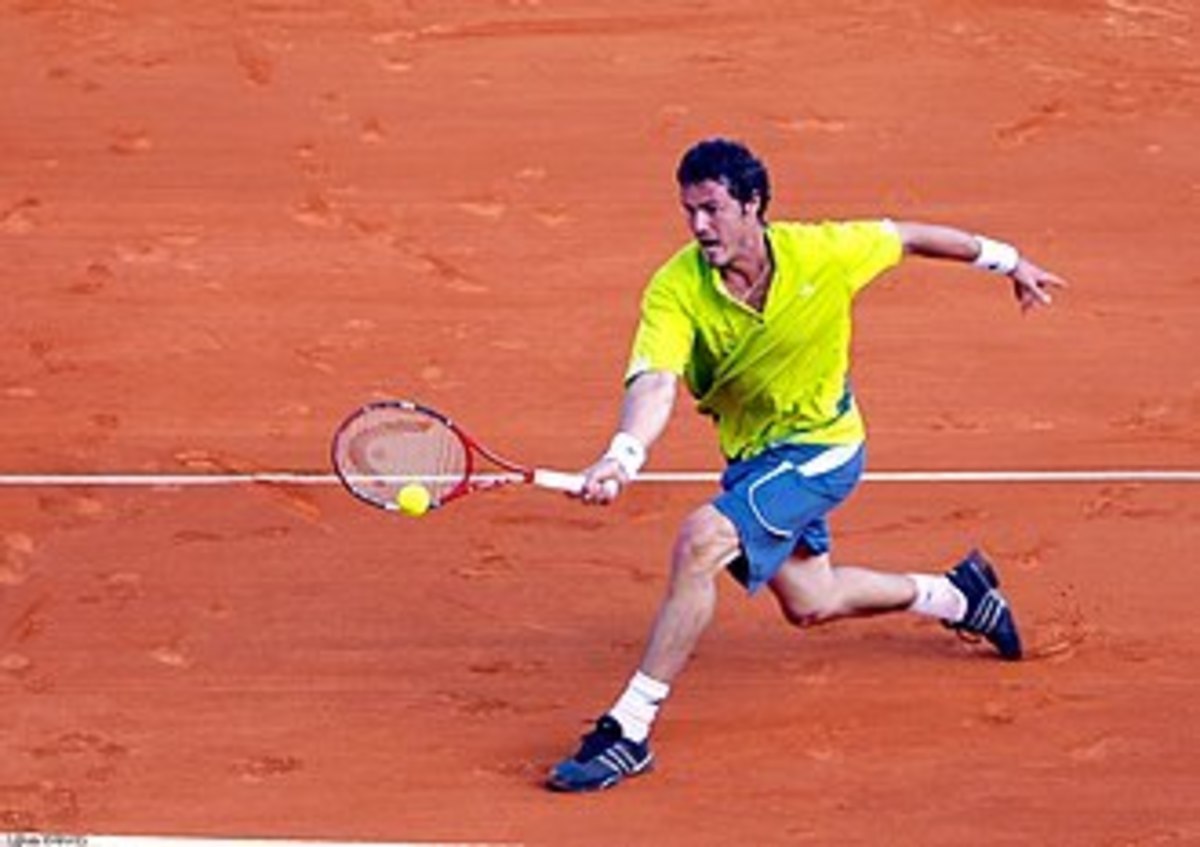
Marat Safin is one half of what is perhaps the best brother-sister duo in the history of tennis. He and his sister Dinara Safina notched a combined 35 weeks as the #1 ranked singles players in the world. For her part, Safina won a U.S. Open women’s doubles title in 2007, an Olympic silver medal in 2008 and was part of two Fed Cup Championships.
Meanwhile, Safin won a pair of Davis Cups and was the champion of the U.S. Open in 2000 and the Australian Open in 2005. Featured among his other titles are three at the Paris Masters and one each at the Canada Masters and the Madrid Masters. Additionally, he was a participant at the 2004 Summer Olympics. In 2016, Safin was inducted in the International Tennis Hall of Fame.
In 2011, Safin gained a spot in the Russian State Duma from Nizhny Novgorod. He resigned six years later.
4. John Alexander (Australia)
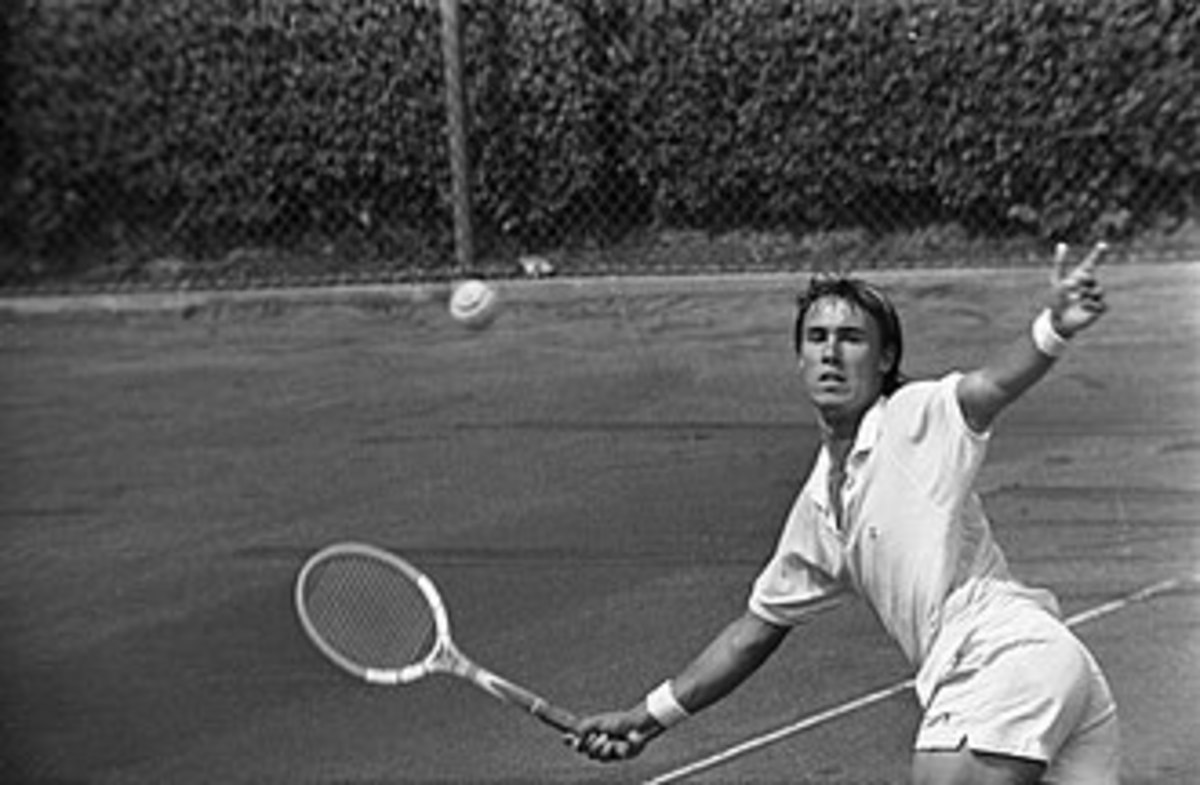
John Alexander is a two-time Australian Open doubles champion and won the 1977 Davis Cup with Team Australia. Other doubles triumphs to his name include two Cincinnati Opens and the 1977 Monte-Carlo Championships. His best Grand Slam results as a single competitor also came at his home tournament, reaching the semi-finals three times. After his retirement from playing, Alexander continued to be a very visible tennis figure as a television commentator, primarily with Seven Sport.
In 2010, Alexander won a seat in Australia’s House of Representatives from New South Wales. He was re-elected four times before opting to step down in 2022.
5. John Boland (United Kingdom)
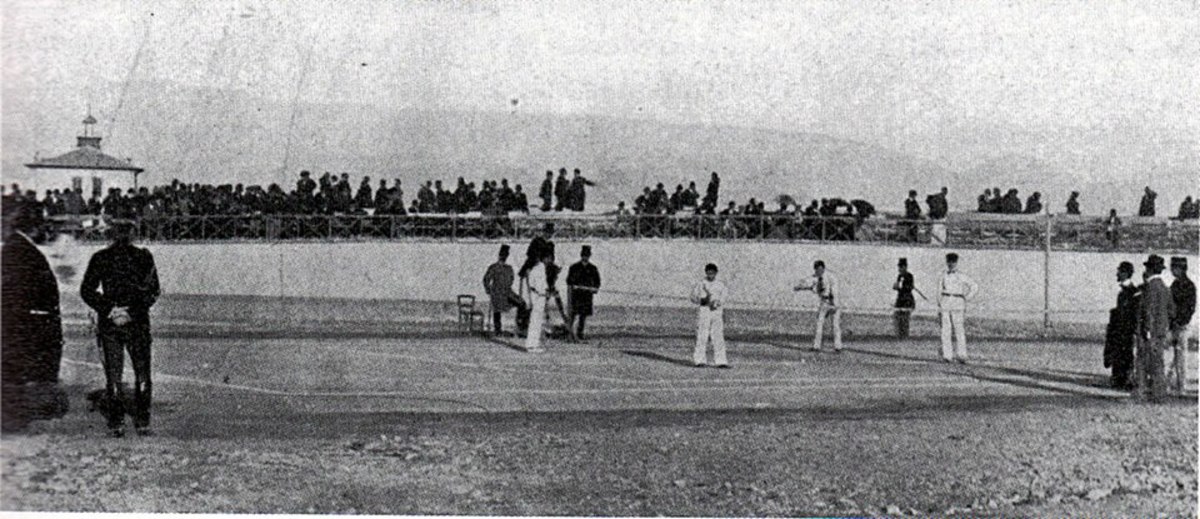
In 1896, John Boland won both gold medals that were up for grabs in tennis at that year’s Olympic Games. He later spent nearly 20 years as a member of the United Kingdom’s House of Commons from the Irish constituency of South Kerry. Boland’s daughter Honor Crowley and her husband Frederick were both longtime members of the Dail Eireann for the Republic of Ireland. Honor was also part of the Irish delegation to the Council of Europe from 1954 to 1957.
6. Herbert Wilberforce (United Kingdom)
In 1887, Herbert Wilberforce won the doubles tournament at Wimbledon alongside Patrick Bowes-Lyon, whose great-niece would later be known around the globe as Queen Elizabeth II. Wilberforce also won more than a dozen singles titles, including at the 1883 Northern Championships. He went on to be Vice-President and later President of the All England Lawn Tennis and Croquet Club for well over 20 years.
In 1900, he unsuccessfully stood as a candidate for the U.K. House of Commons. But Wilbeforce did win a seat on the London County Council the following year and kept it until 1904.
7. Karol Kucera (Czechoslovakia/Slovakia)
During his youth, Karol Kucera competed for Czechoslovakia on two occasions at the Galea Cup and the 1992 Tennis European Junior Championships. Later playing for Team Slovakia, he won the 1998 Hopman Cup and the 2000 World Team Cup, as well as appeared at the Olympics three times.
Kucera’s best Grand Slam result was a semi-finals appearance at the 1998 Australian Open. He matched that result a few months later at the Grand Slam Cup tournament. Among his victories was the 1999 edition of the Swiss Indoors event.
In 2020, Kucera won a place in the National Council of Slovakia. He remained a member until 2023.
8. Frank Fisher (New Zealand)
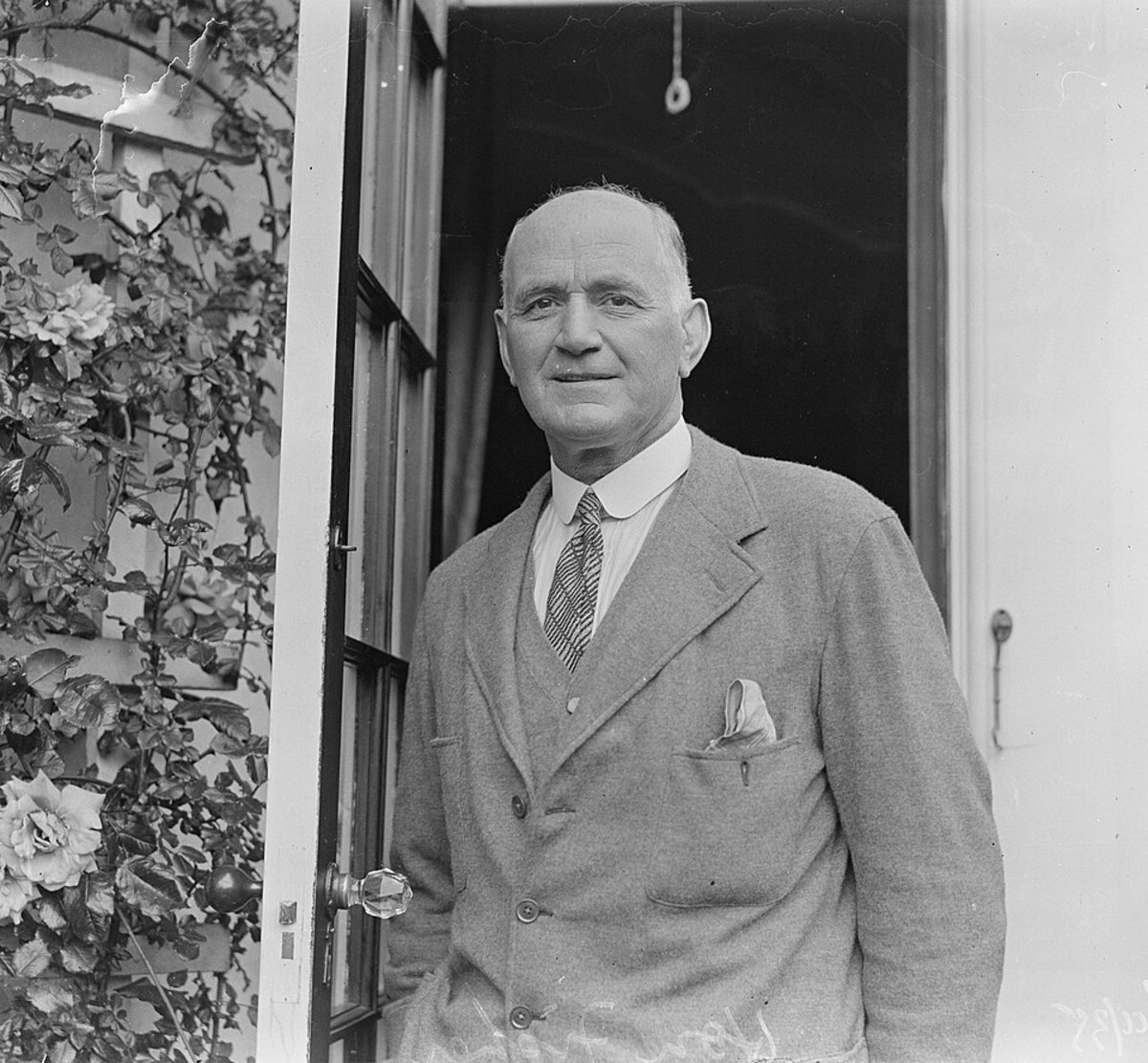
In 1920, Frank Fisher won the mixed doubles category at the World Covered Court Championships. In the years leading up to the tournament, he’d been a semi-finalist at Wimbledon and the now-Australian Open and was a finalist as a singles player in the latter. In addition, Fisher won a combined eight New Zealand National Championships between men’s doubles and mixed doubles.
From 1905 to 1914, Fisher represented the Wellington area in the New Zealand House of Representatives. In 1912, he was appointed to the Customs and Marine portfolios and in the Cabinet of Prime Minister William Massey. His father George had been Mayor of Wellington and a Cabinet official under Prime Minister Harry Atkinson.
9. Edward McGuire (Republic of Ireland)
Edward McGuire won the Irish National Championship in men’s singles in 1931 and four times in men’s doubles. He also played for Ireland at the eventual Davis Cup 13 times over the course of his playing career.
In 1948, McGuire was appointed to the Seanad Eireann by Prime Minister John A. Costello. He continued to serve as a member until he was defeated in a 1965 round of voting.
10. Yayuk Basuki (Indonesia)
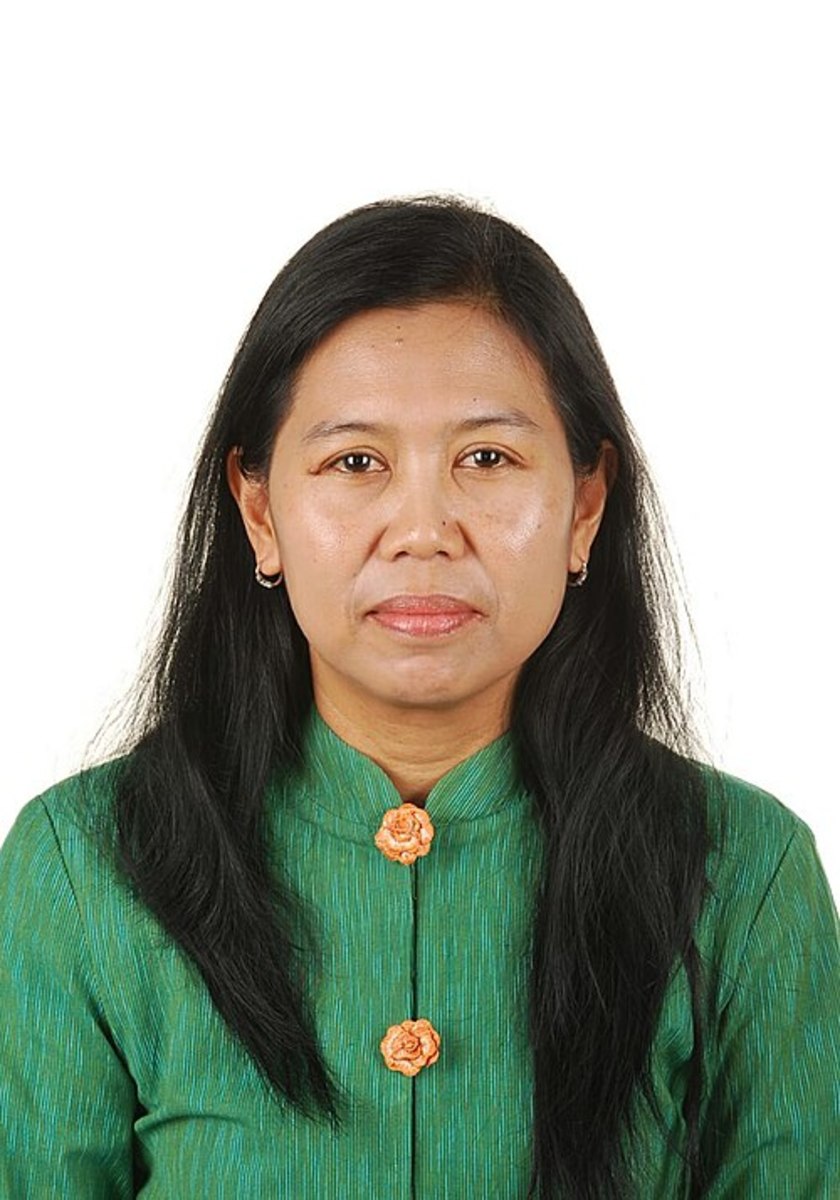
Yayuk Basuki won nearly 50 WTA and ITF titles playing in singles and doubles. Among them were the 1994 China Open, the 1997 Canadian Open and the 2001 Dubai Tennis Championships.
She played for Indonesia at four Summer Olympics and 17 Fed Cups, setting a record for most doubles match victories in the latter. Along with singles and women’s doubles, Basuki also competed in mixed doubles at the Asian Games and the Southeast Asian Games, compiling 15 gold medals.
In 1991, Basuki was named as the Indonesian Athlete of the Year. She is married to three-time Olympian Hary Suharyadi.
Basuki won a seat in Indonesia’s Regional Representative Council. She held onto it until 2019.
11. C.S. Hyman (Canada)
C.S. Hyman was an early cricket star in Canada, serving as captain of the national team. But he was also a noted tennis competitor with a combined seven now-Canadian Open crowns to his credit.
After winning earlier races for the City Council and Mayor of London, Ontario, Hyman first ran for the House of Commons in 1887, losing to incumbent John Carling. He emerged victorious in an 1891 re-match, but lost the seat to Carling again through a bizarre series of events the following year.
In 1896, Hyman gave it another go, but was bested by Thomas Beattie. However, Hyman challenged Beattie again in 1900. Hyman won again and this time he would have staying power. He remained a member of Parliament for several years, eventually joining the Cabinet of Prime Minister Wilfrid Laurier.
12. Jim Thomas (United States)
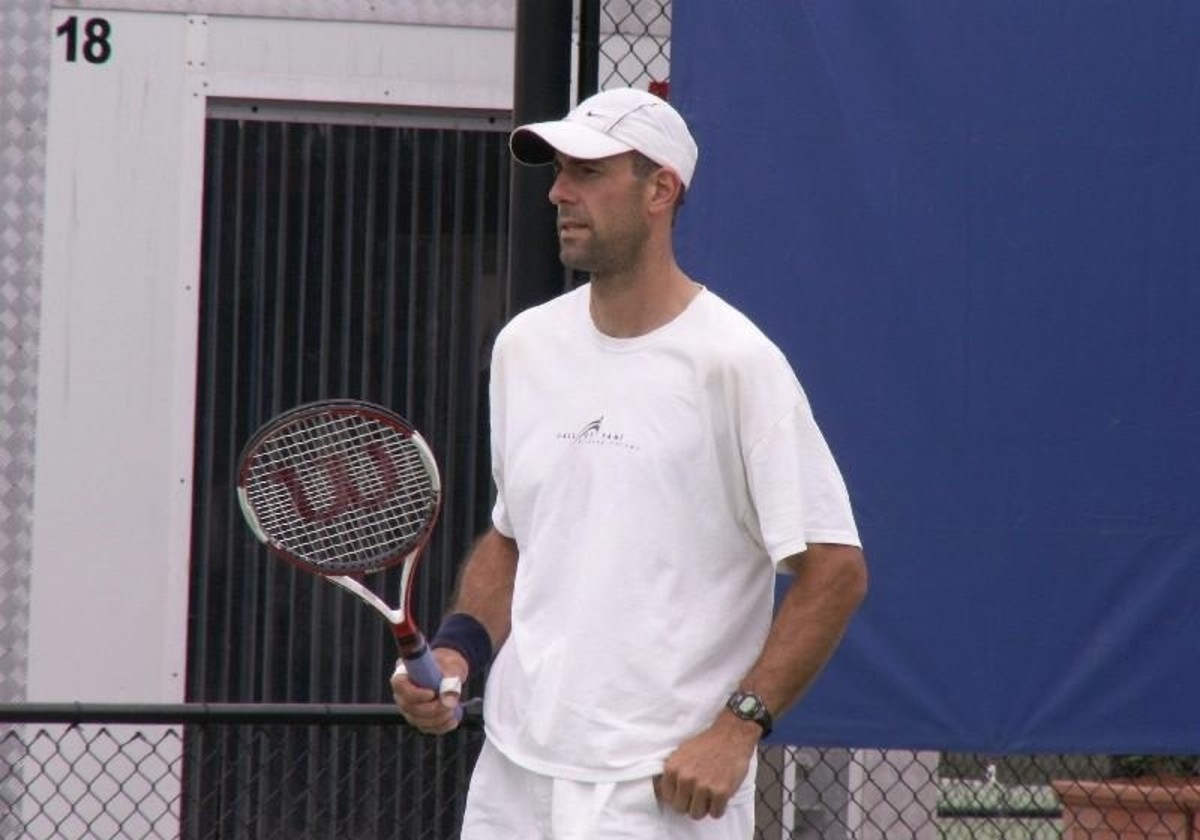
As a player for Stanford University, Jim Thomas was an All-American selection and a member of two National Championship teams. Primarily a doubles competitor as a professional, he won various tournaments and made a semi-final appearance at the 2005 U.S. Open. He later joined the Ohio House of Representatives in 2023.
13. Helena Konanz (United States/Canada)
With her maiden name of Manset, Helen Konanz was a member of the 1981 National Champion University of California, Los Angeles women’s tennis team. The following year, she finished as a runner-up in the national women’s doubles competition and received the first of two All-American nods. As a pro, she played at six Grand Slam tournaments.
Afterward, Konanz won three City Council races in Penicton, British Columbia in Canada. Following a pair of prior unsuccessful tries, she was elected to the House of Commons in 2025.
14. Jan Kroslak (Slovakia)
In 1996, Jan Kroslak participated in both the men’s singles and doubles events at the Olympics playing for Slovakia. He also went on to play for the national team at the 1998 Davis Cup. Along the way, he competed at 15 Grand Slam tournaments. In 2020, Kroslak was elected to the National Council.
15. Sam Groth (Australia)
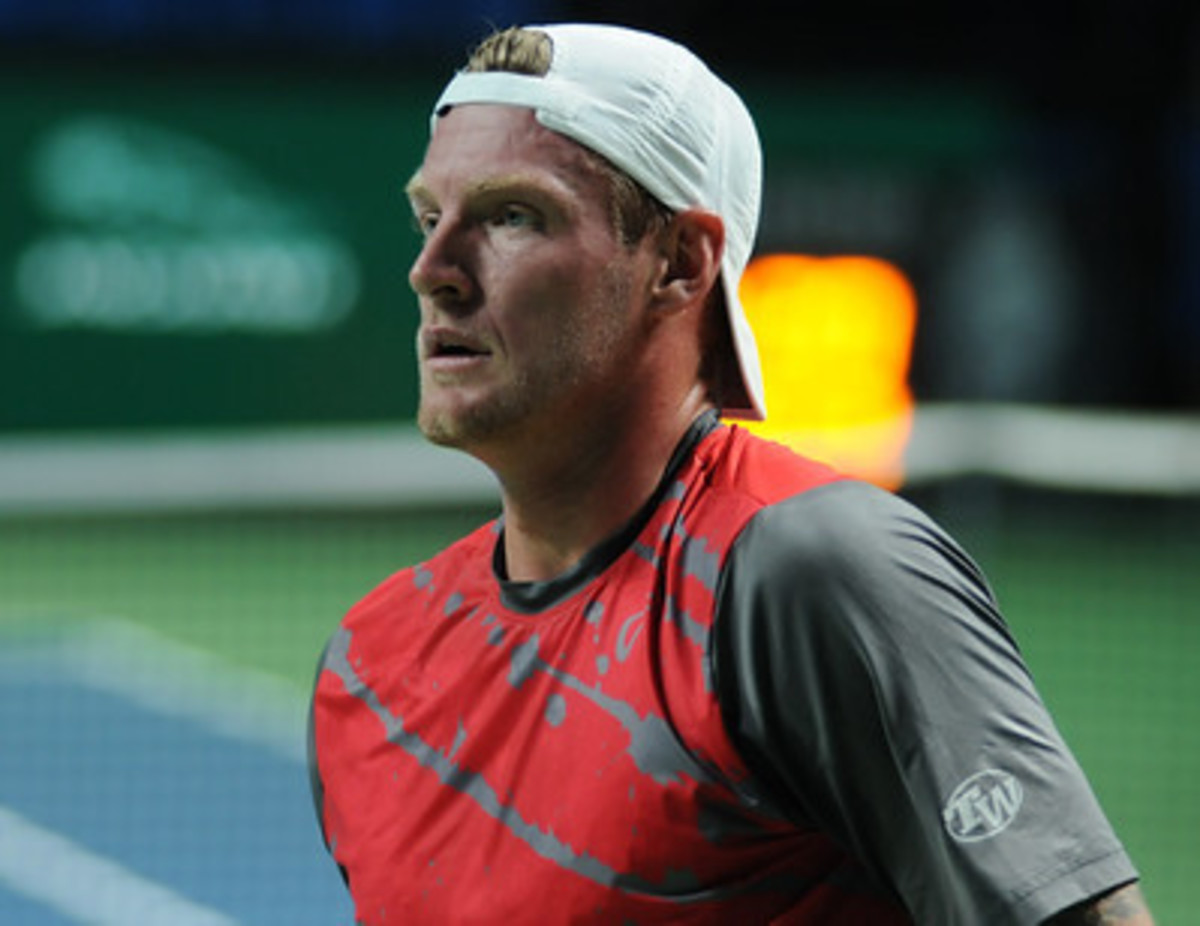
Sam Groth reached the semi-finals in men’s doubles at the 2014 French Open and in mixed doubles at the 2017 Australian Open. In singles play, he participated in a dozen Grand Slams. Additionally, he played at the 2016 Olympics and was a two-time Davis Cup semi-finalist with Team Australia.
In 2022, Groth was elected to the Victorian Legislative Assembly. Two years later, he assumed the dual role of Deputy Opposition Leader and Deputy Leader of the state chapter for the Liberal Party.
16. Peter Freeman (United Kingdom)
Peter Freeman scored the Men’s Welsh Championship in 1920. Nine years later, Freeman defeated narrowly bested incumbent Walter Hall for the House of Commons, but Hall would win the seat back from him in 1931. After another failed campaign for a seat in 1935, Freeman won a return to Parliament a decade later. He was still a member of the House when he died in 1956.
17. John C. Bell Jr. (United States)
While a student at the University of Pennsylvania, John C. Bell Jr. was captain of a National Championship soccer team and also played tennis for the school. He continued to pursue tennis after graduating, eventually finishing as a national men’s doubles runner-up five times.
After going into local politics in Philadelphia, Bell was appointed to the Cabinet of Governor Frank H. James in 1939. Later, he had a short term as Governor of Pennsylvania himself in early 1947 after having been Lieutenant Governor since 1943. For over 20 years following his stint as Governor, Bell sat one the State Supreme Court, spending roughly half of his tenure as Chief Justice.
Bell was not the only member of his family to become a noted figure in either sports or politics. His grandfather Leonard Myers was a U.S. Representative, his father John Sr. was State General of Pennsylvania and athletics director at the University of Pennsylvania and his brother Bert was the longtime Commissioner of the National Football League who was later enshrined as part of the first class of inductees in the Pro Football Hall of Fame.
18. Percy Colquhoun (Australia)
Also a star in lawn bowls and rugby, Percy Colquhoun was a four-time New South Wales champion between doubles and mixed doubles. He went on to reach the Australian Open quarter-finals as a single in 1908 before shifting his tennis focus to administrative operations. Colquhoun would become President of the Australian, New South Wales and Australiasian Lawn Tennis Associations. From 1913 to 1920, he served in the State Legislative Assembly
Additionally, Colquhoun married his mixed doubles partner Mabel Shaw in 1897. Along with her successes with her husband, Mabel won 18 women’s doubles titles with her sister Phenie in Victoria and New South Wales.
19. Lawrence Dundas (United Kingdom)
Lawrence Dundas was a noted tennis player during the 1940s and 1950s who competed at Wimbledon several times. He was at one point selected as a candidate for the U.K. House of Commons, though that never came to fruition. In 1961, Dundas took on his family’s peership after the death of his father, who’d been a Cabinet Secretary for two Prime Ministers, and assumed a place in the House of Lords. The positions have since been passed on to his son Mark.
20. Romana Tabak (Slovakia)
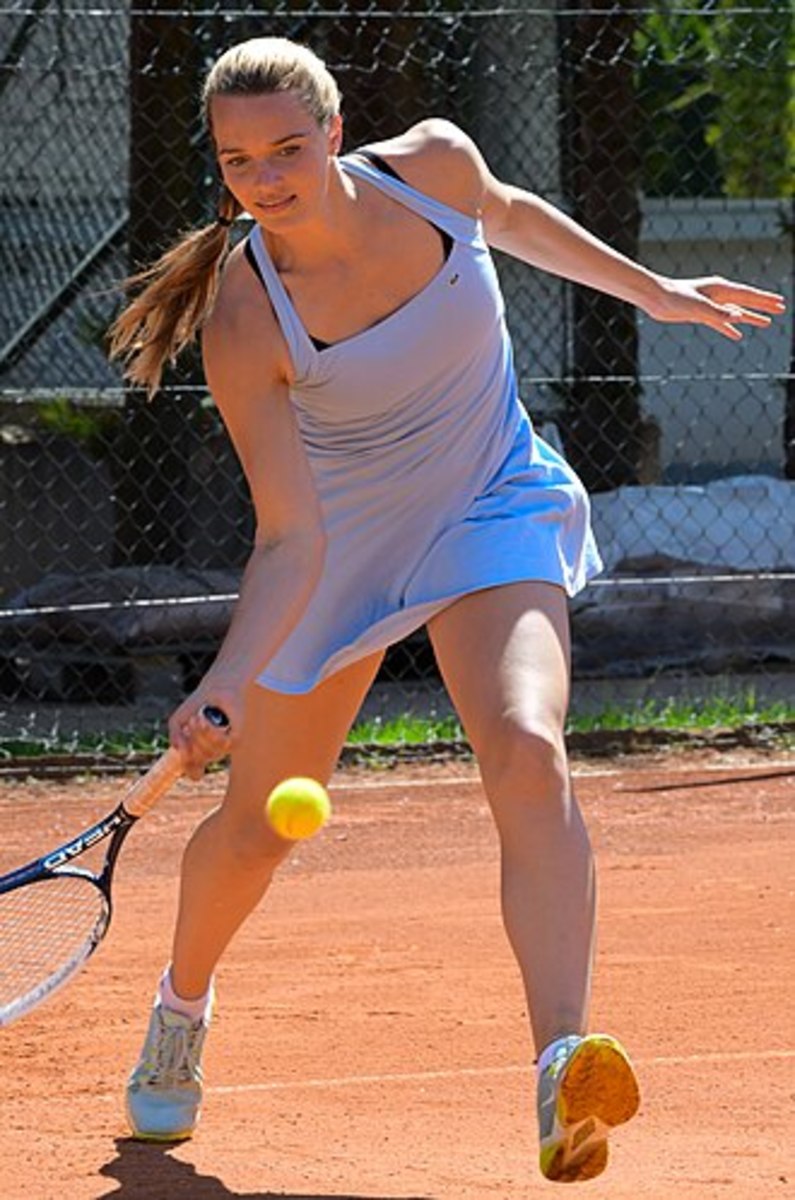
Romana Tabak won a total of 11 ITF singles and doubles titles after playing in the United States at Concordia College where she was named the 2014 Central Atlantic Collegiate Conference Women’s Tennis Player of the Year. In 2020, she was elected to the National Council of Slovakia. Tabank did not seek another term in the Council in 2023, but was a candidate for the European Parliament the next year.
21. Leonard Lyle (United Kingdom)
Leonard Lyle played at Wimbledon three times and became the original Chairman of the International Lawn Tennis Club before taking the same position with the Lawn Tennis Association. Additionally, he presided over the British and Irish Professional Golfers’ Association and was a member of the Royal Yacht Squadron.
Lyle first joined the House of Commons in 1918, but lost his seat in 1922 to Tom Groves. He quickly won another seat, but also swiftly stepped down from it to make way for the eventual iconic Prime Minister Winston Churchill.
In 1940, Lyle was again elected to the House of Commons. Five years later, he was appointed to the House of Lords by King George VI after having been knighted by his father in 1923. Lyle continued as a Lord until his death in 1954.
22. Glen Sheil (Australia)
Glen Sheil was a frequent Australian Open participant beginning in 1949 and well into the 1950s. He was initially elected to the Australian Senate in 1974, later resigning to run for the House of Representatives in 1981, unsuccessfully so.
In 1984, Sheil won a return trip to the Senate before losing his seat in 1990. Shortly after leaving Parliament, he married Elizabeth Anderson, daughter of ex-MP and World War II hero Charles Groves Wright Anderson.
23. Diego Hartfield (Argentina)
Diego Hartfield reached five Grand Slam draws between singles and doubles play. But a few years into his career as a pro athlete, a knee injury brought it to a halt. In 2025, Hartfield won a seat in the Chamber of Representatives of Misiones Province in his native Argentina.
24. Caitriona Ruane (Republic of Ireland/United Kingdom)
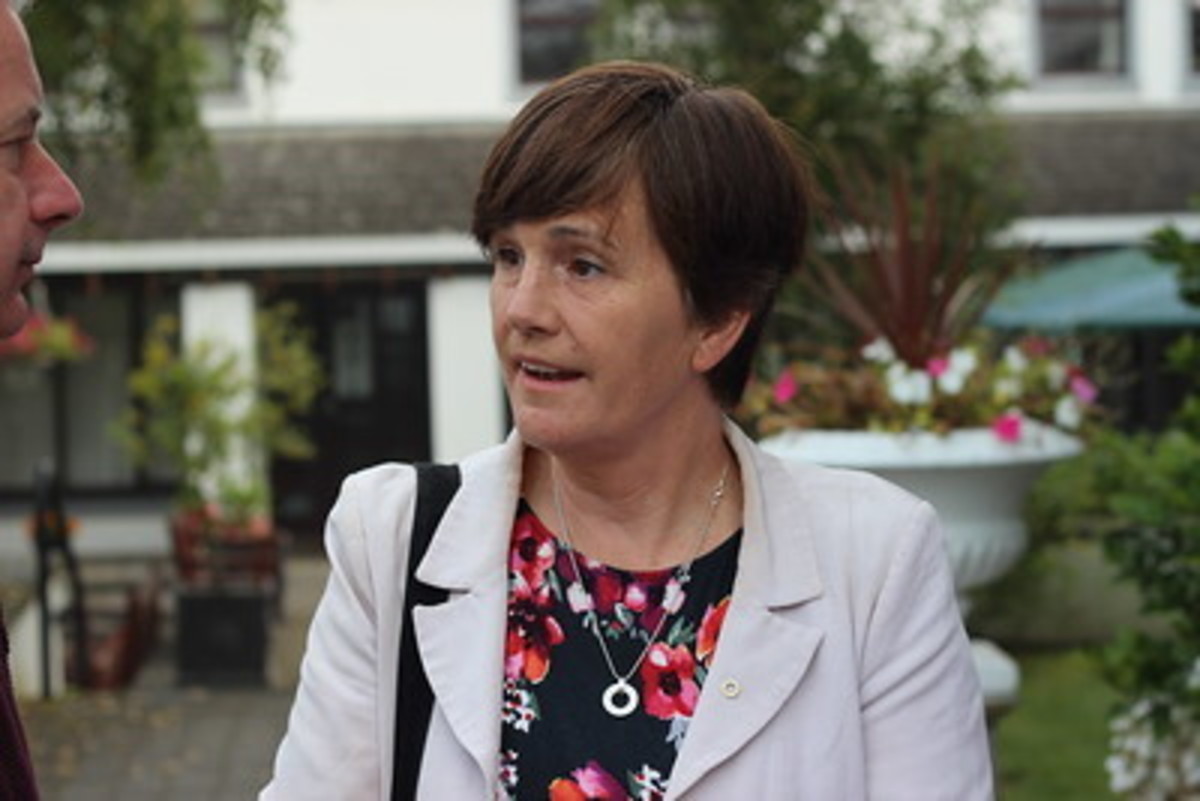
Voted as the Irish Tennis Player of the Year in 1981, Caitriona Ruane represented the Republic of Ireland on multiple occasions in international play. In 2003, she was elected to the Northern Ireland Assembly in the United Kingdom. Ruane went on to be the Northern Irish Education Minister from 2007 until 2011 and became Deputy Speaker of the Assembly in 2016. She retired from the legislature a year later.
25. William Timmons (United States)
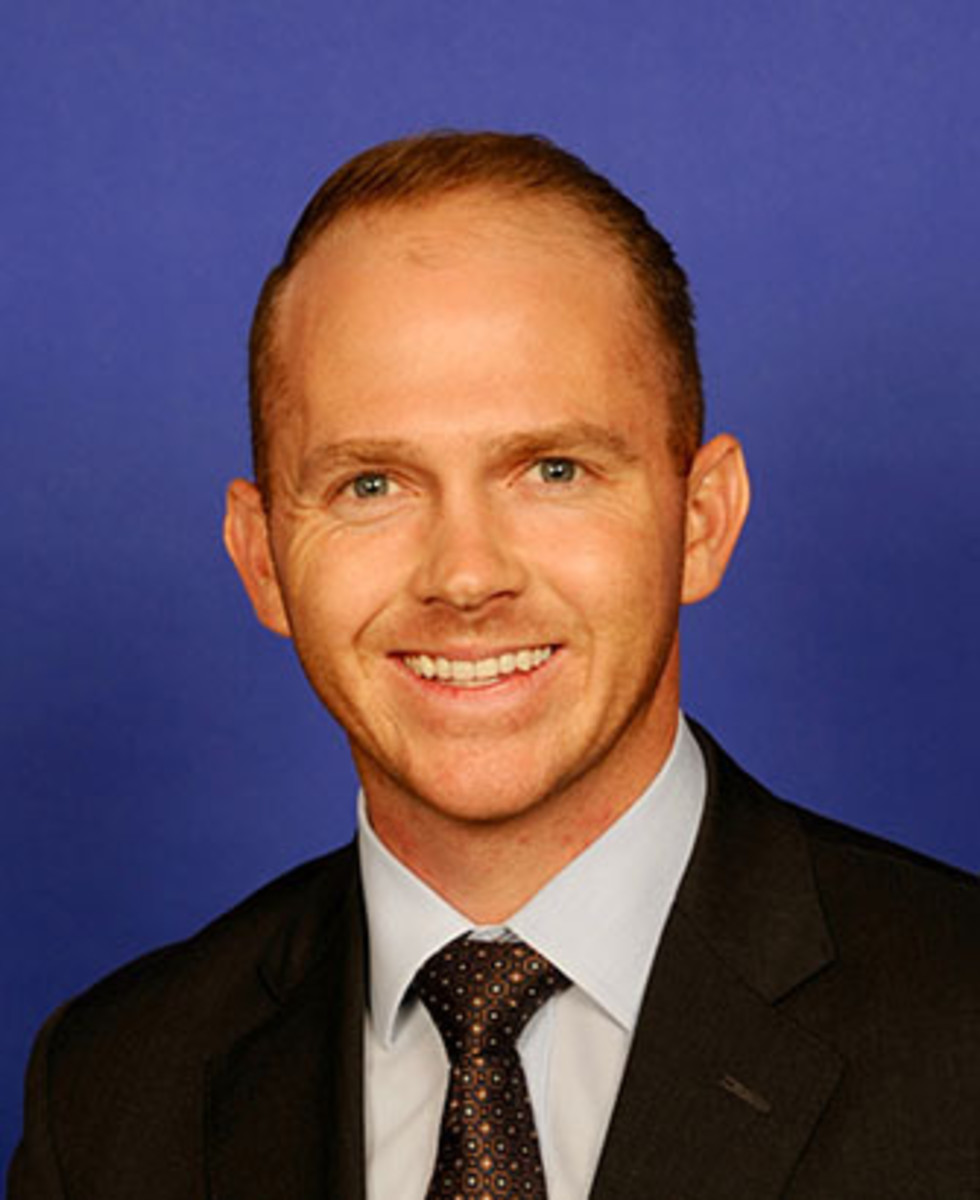
William Timmons won two individual high school state titles and four state team championships with Christ Church Episcopal School in Greenville, South Carolina. He later played for George Washington University. Timmons was elected to the State Senate in 2016 and joined the U.S. House of Representatives in 2019.
26. Anthony Crossley (United Kingdom)
Anthony Crossley’s tennis career included a pair of appearances at Wimbledon. He was elected to the House of Commons in 1931 and served until he died along with five other people in a 1939 airplane crash in Denmark. Crossley’s father Kenneth was Sheriff of Cheshire and his grandfather William was an MP during the early 20th Century.
27. Jacques Chaban-Delmas (France)
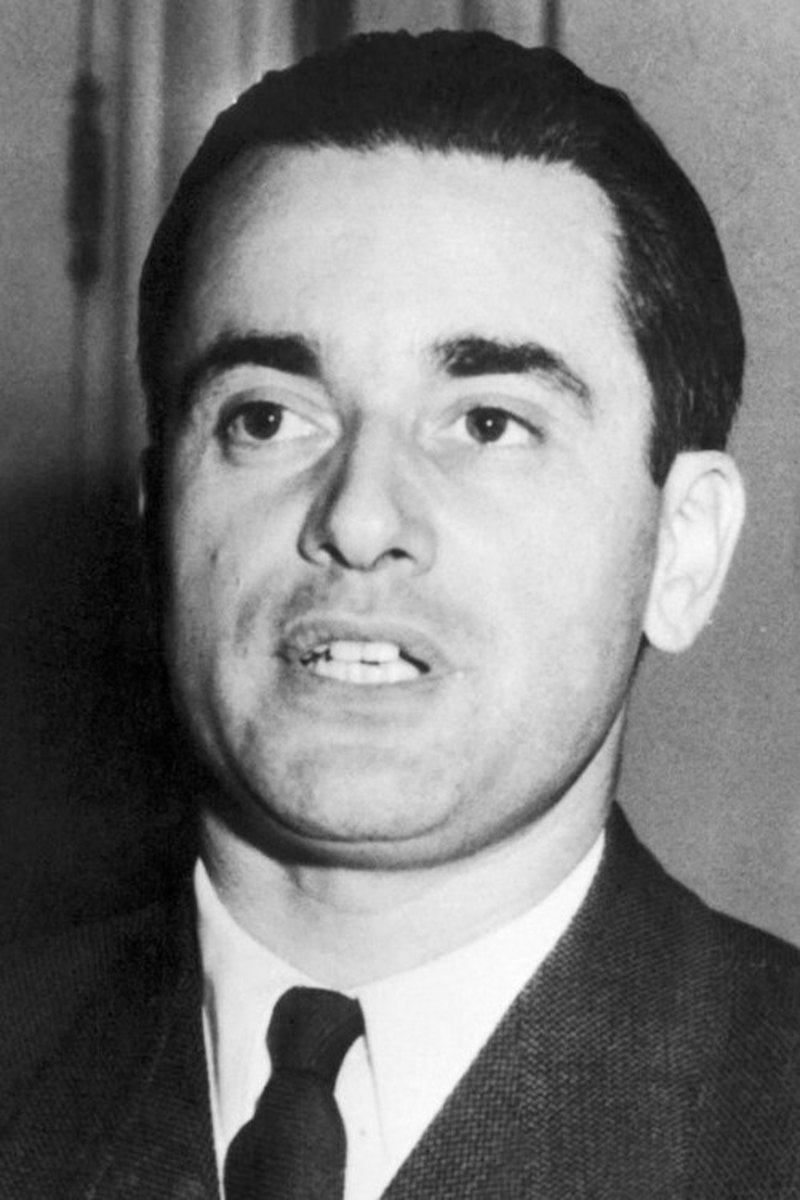
Jacques Chaban-Delmas is perhaps better-known athletically for his prowess in rugby, including having a major stadium named after him. But he was also a talented tennis player, though his biggest achievements in the sport were eventually in competitions specifically for seniors. Among them was finishing as a doubles runner-up in such an event at the 1965 French Open and winning the doubles title at the 1970 Paris Open.
During World War II, Chaban-Delmas was a leading figure in the French Resistance and served in the Liberation of Paris. Shortly after the war’s end, Chaban-Delmas became a National Assemblyman from Gironde and Mayor of Bordeaux and would end up holding each office for roughly 50 years.
From 1969 to 1972, he was Prime Minister of France during the Presidency of Georges Pompidou. Other top offices Chaben-Delmas held included National Defence Minister and President of the National Assembly.
28. Richard Legendre (Canada)
After winning a Canadian Junior National Championship, Richard Legendre became a star for the tennis team at Florida State University in the United States. He went on to play professionally for several years and was a member of Team Canada for the 1979 Davis Cup.
In 2001, Legendre earned a seat in the National Assembly of Quebec via a by-election. He won a second bid in 2003, but was defeated for another term in 2007 by Pierre Gingras. Following his departure from the Assembly, Legendre became Vice-President of the Montreal Impact soccer team and joined TVA Sports as a commentator. In 2019, he was inducted in the Quebec Sports Hall of Fame.
29. Jeb Bush (United States)
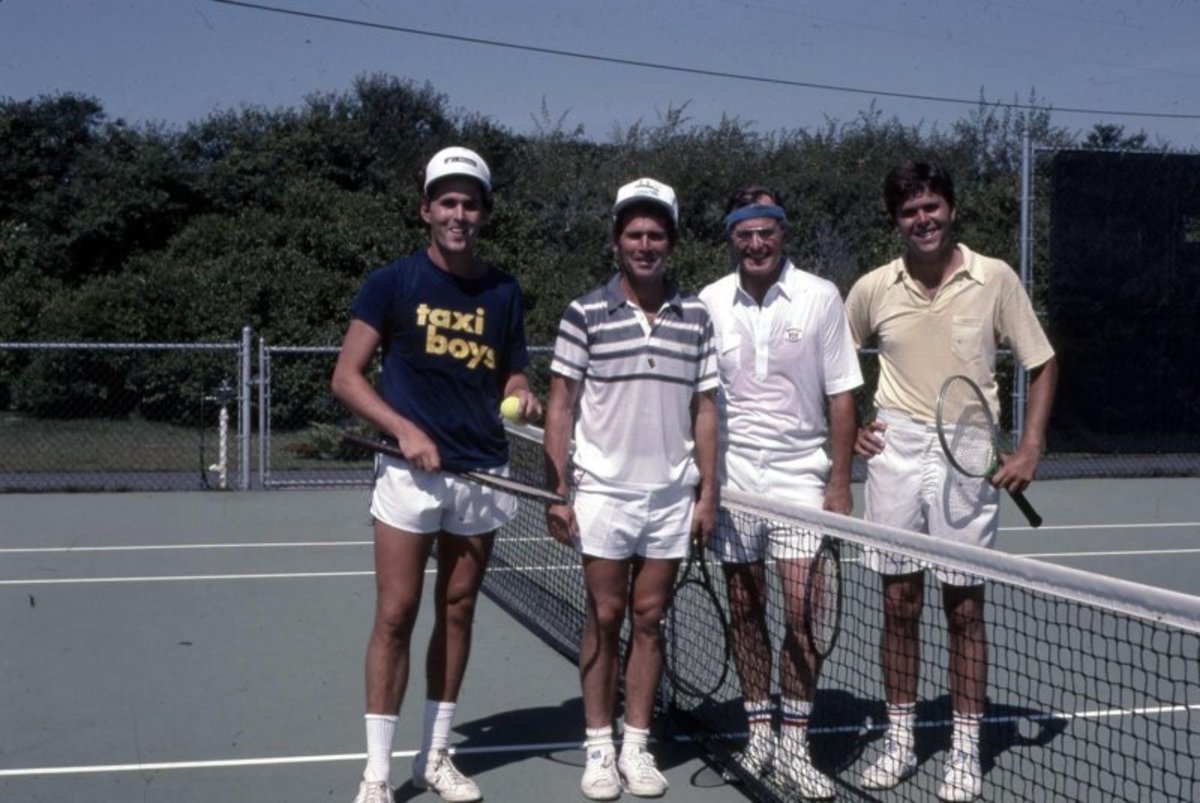
Along with being arguably the most successful dynasty in the history of American politics, the Bush family also has a significant background in sports. In the case of Jeb Bush, he may be best-linked with tennis. The captain of his high school team at Phillips Academy in Andover, Massachusetts, he went on to help the tennis program of the University of Texas at Austin to be one of the best in the country.
Bush was appointed as the Secretary of the Florida Department of Commerce in 1987 by Governor Bob Martinez. In 1989, he managed the successful campaign of Ileana Ros-Lehtinen for the U.S. House of Representatives, where she eventually became Chairwoman of the Foreign Affairs Committee.
For his part, Bush first ran for Governor of Florida in 1994, narrowly losing to incumbent Lawton Chiles. But he bounced back to win the office by convincing margins in 1998 and 2002. He was also briefly a candidate for the Republican U.S. Presidential nomination in 2016.
30. Earl B. Ruth (United States)
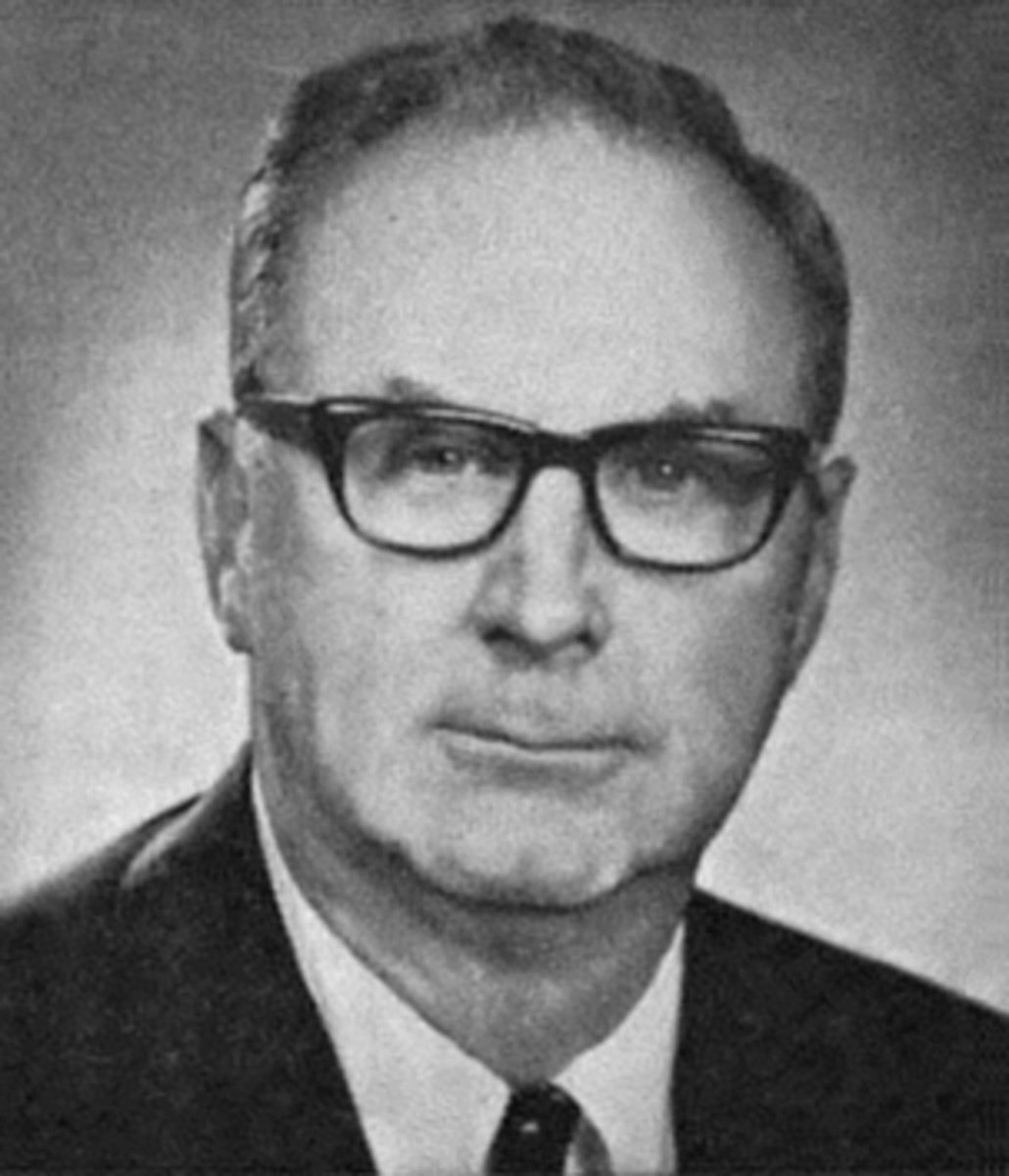
Earl B. Ruth was a star in basketball, including as captain of the famed Tar Heels of the University of North Carolina at Chapel Hill. But before that, he was a state singles champion in tennis while a student at Central High School in Charlotte. Ruth would later be named as the athletics director for Catawba College.
During the 1960s, Ruth entered local politics in Salisbury, North Carolina, where he eventually rose to the position of Mayor Pro Tempore. In 1968, he won a seat in the U.S. House of Representatives. Following a couple more victorious Congressional campaigns, he was defeated by Bill Hefner in 1974. But not long thereafter, Ruth was appointed as Governor of American Samoa for what would be a tumultuous tenure by President Gerald Ford, who had a storied sports background in his own right.
31. Lester B. Pearson (Canada)
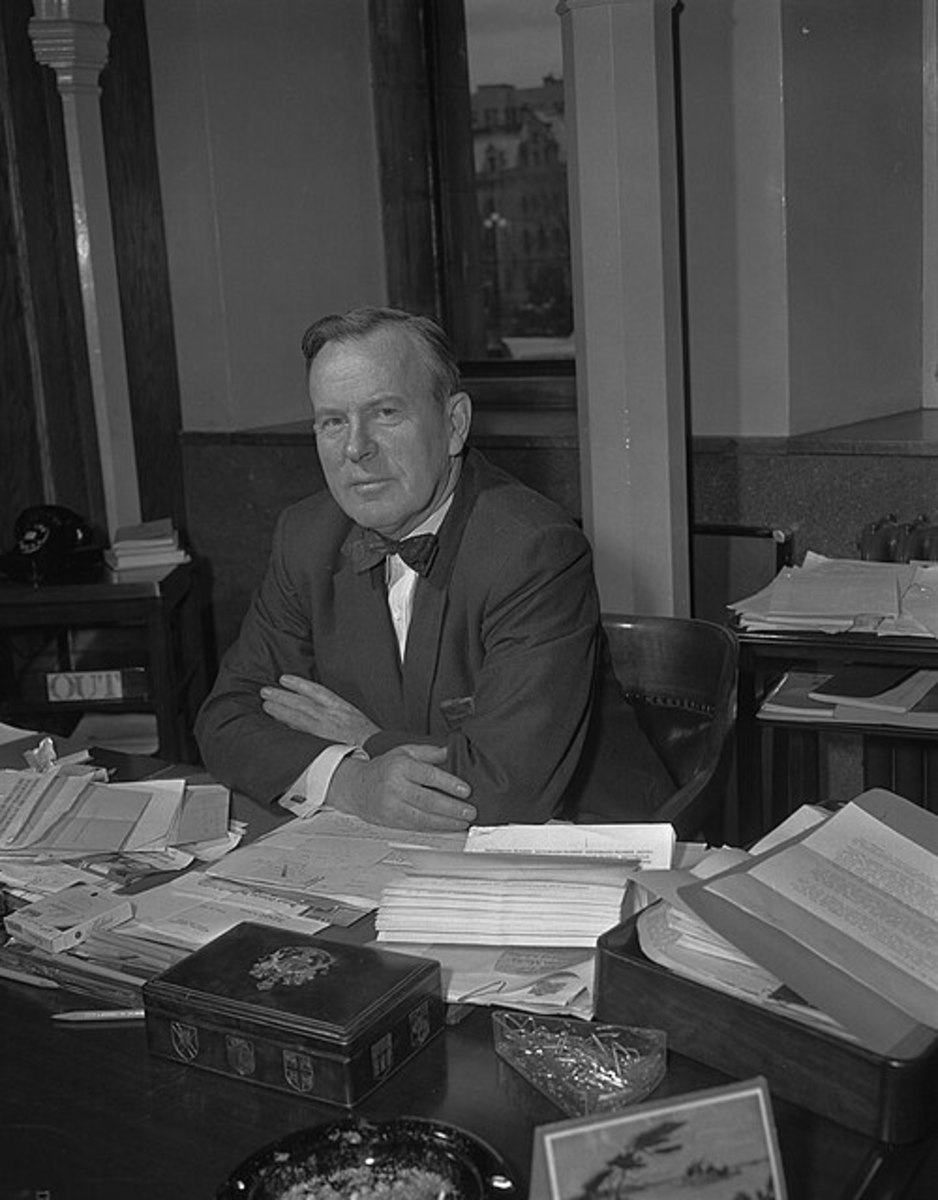
Before becoming one of Canada’s most legendary politicians, Lester B. Pearson was one of the country’s most storied athletes. Tennis was one of many sports that he competed in at a high level. Included among the others are ice hockey, baseball, basketball, lacrosse, rugby and golf.
Pearson’s early career in government was highlighted by being the Canadian Ambassador to the United States. In 1948, he was elected to the House of Commons, followed by being named as External Affairs Secretary by longtime Prime Minister William Lyon Mackenzie King and maintained in the post by his successor Louis St. Laurent.
In 1958, Pearson was selected as the new Liberal Party Leader, effectively also making him the Leader of the Opposition. Five years later, Pearson became Prime Minister after his party won back power.
During Pearson’s tenure as Prime Minister, he implemented various programs that would become pillars of the Canadian government, including its Student Loan Program, Pension Plan, Labour Code and Medicare. Additionally, he signed the Auto Pact deal with the U.S. and installed Canada’s famed Maple Leaf national flag.
Pearson led the Liberals to another election victory in 1965, but opted to retired from politics in 1968. He is typically ranked among the greatest Canadian Prime Ministers by historians. His son Geoffrey would be a prominent diplomat and his daughter-in-law Landon served as a Senator.
32. Emmet O’Neal (United States)
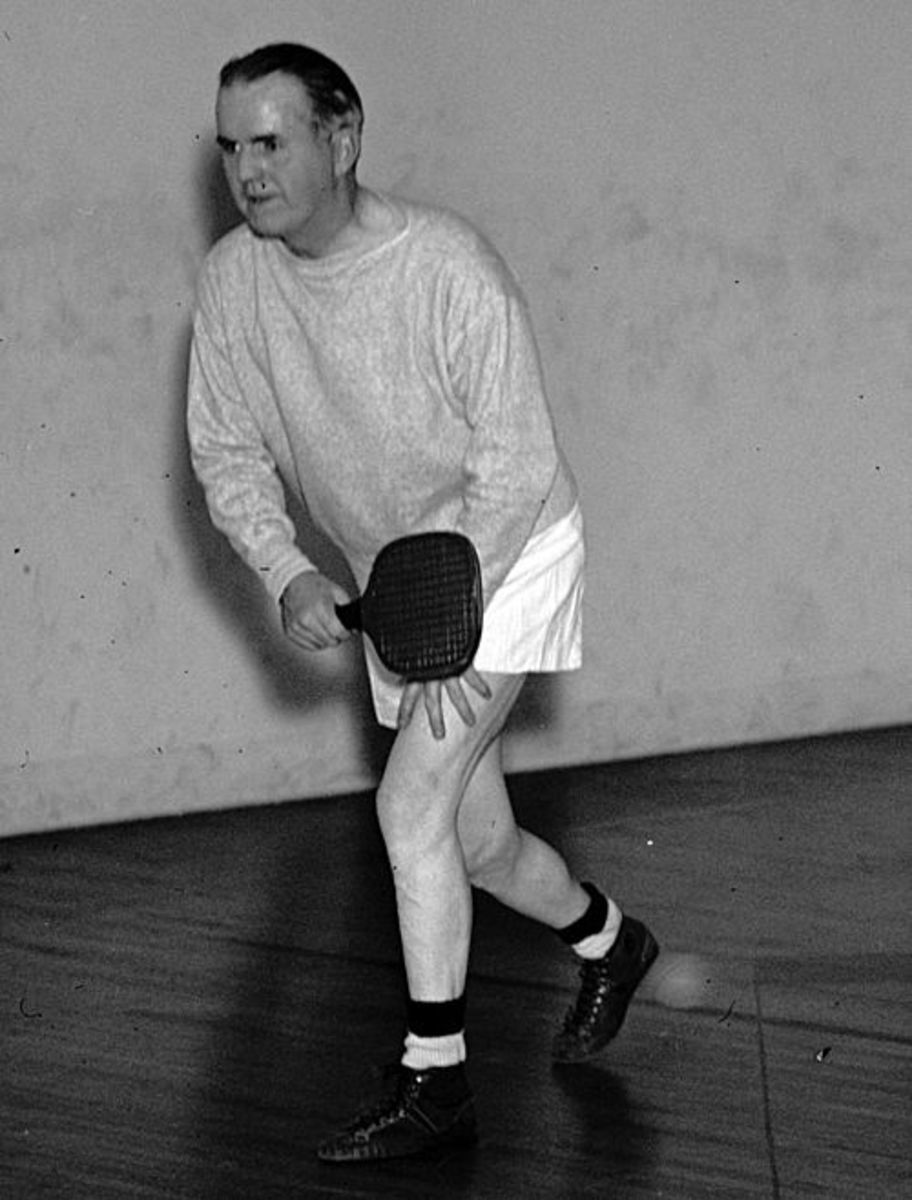
Emmet O’Neal was a sports extraordinare for Centre College during his studies there. Along with captaining the football, baseball and basketball teams, he made waves in tennis as well. In 2006, he was inducted in the Centre College Athletics Hall of Fame.
Following in the footsteps of his brother Joseph T. O’Neal, who was briefly the Mayor of Louisville, Kentucky, he would embark on a career in politics. In 1934, Emmet won the first of six terms in the U.S. House of Representatives. He later had a short stay as U.S. Ambassador to the Philippines during the administration of President Harry S. Truman.