
The Museum of Fine Arts, Houston
Incredible discoveries happen inside of our Museum of Fine Arts, Houston. Already it is one of the largest art museums in the United States. Our MFAH continues to expand even today as I am writing this. The location of the MFAH is at 1001 Bissonnet Street, Houston, Texas 77005.
Unmasking the Silence: The Horror Behind “Split in Silence”Unmasking the Silence: The Horror Behind “Split in Silence”
Watch More
William Ward Watkin designed the first neo-classical building. The Caroline Wiess Law Building was an addition to the original structure in 1924, and wings were added in subsequent years.
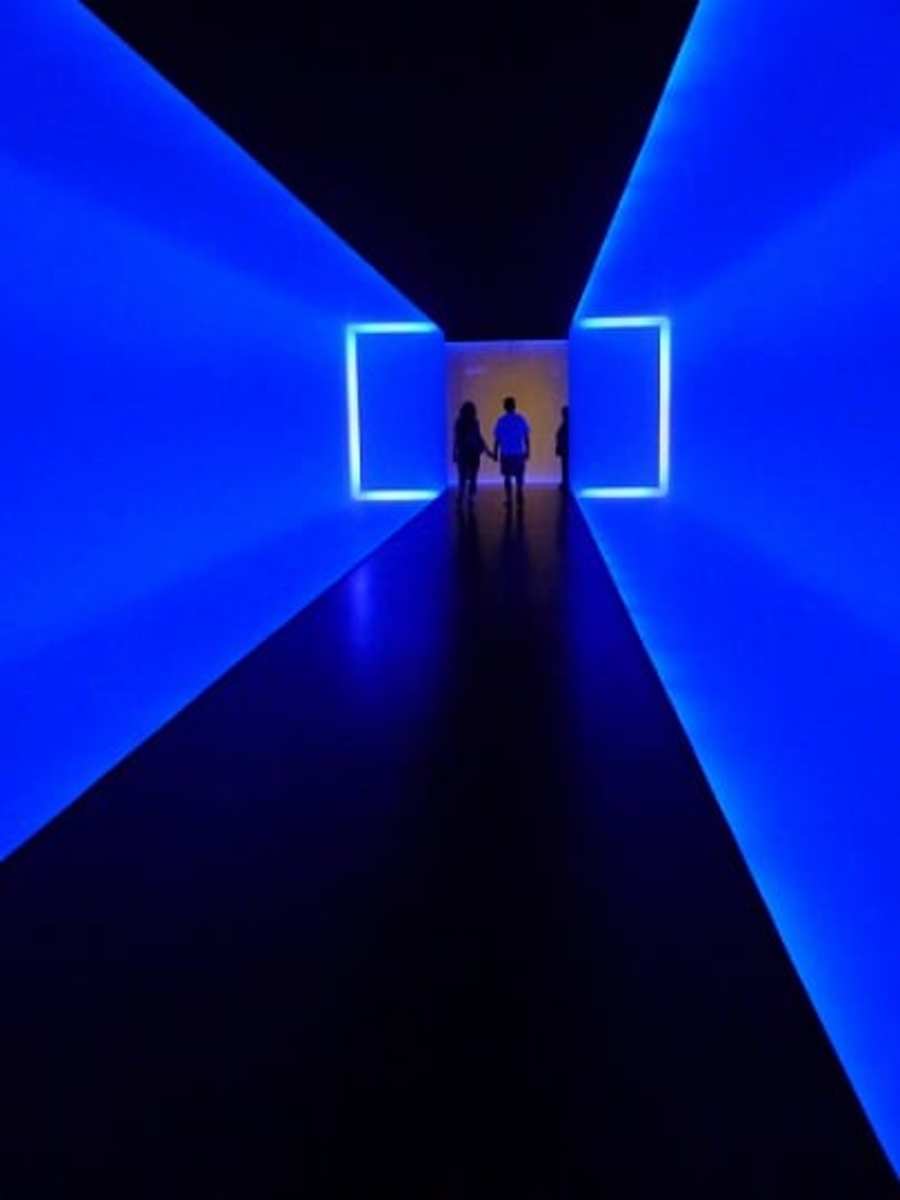
The Audrey Jones Beck Building is across the street from the original museum. It opened to the public in the year 2000. A tunnel under the road connects the two buildings. Artist James Turrel designed the illumination of the tunnel titled The Light Inside. Colors of light continually change as one walks across a raised pathway between the two buildings.
A third fine arts building is currently under construction next to the Lillie and Hugh Roy Cullen Sculpture Garden. It will be called the Nancy and Rich Kinder Building upon completion.
The recently rebuilt Glassell School of Art is also a part of this large fine arts campus. Off-site are two magnificent mansions, Bayou Bend and the Rienzi House Museum.
Paintings Inside of the MFAH
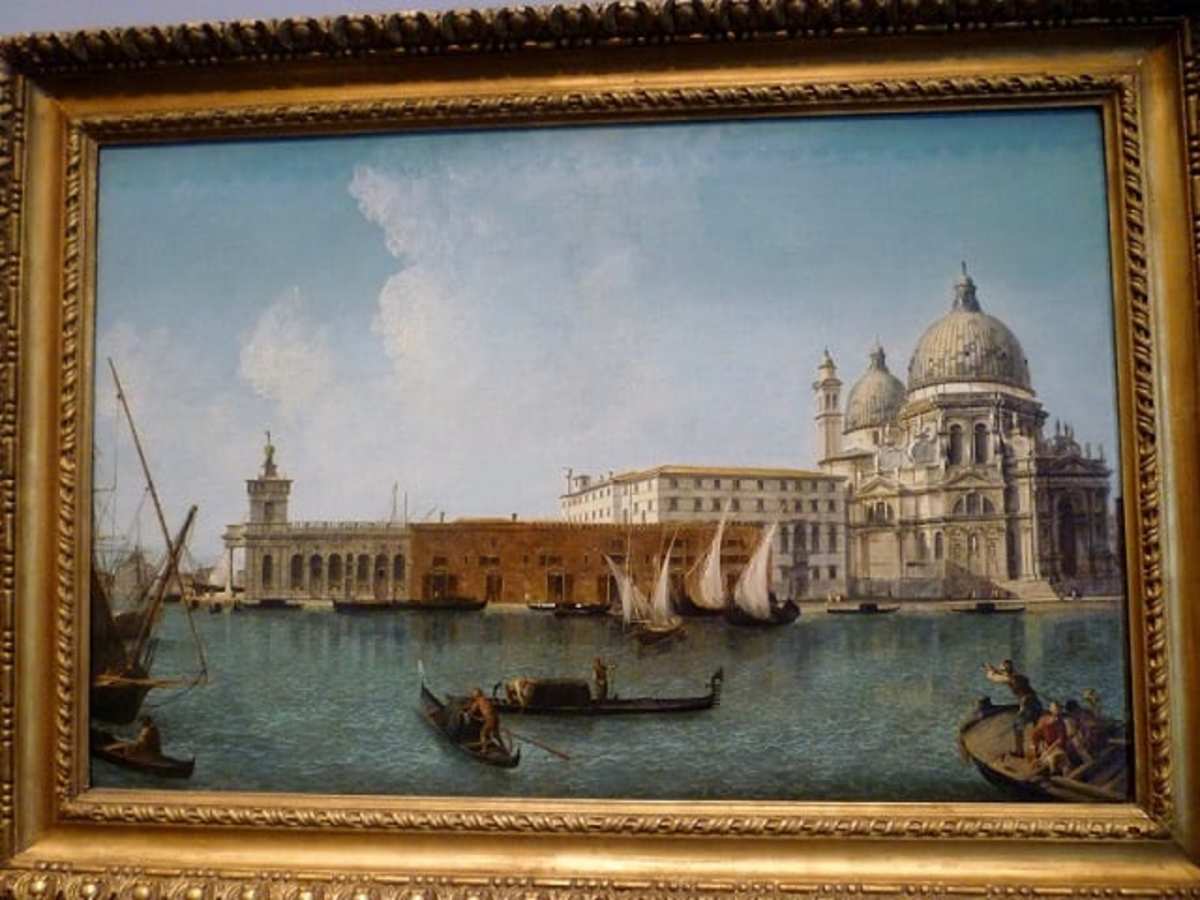
The photo of the painting that I took at the top of this page is titled View of the Dogana and S. Maria Della Salute, Venice by Michele Marieschi. It is an oil on canvas painted in the year 1740.
Michele Marieschi was a short-lived Italian artist, born in 1710. She died at the age of 33. One can only imagine the masterpieces she might have created had she lived longer. In this particular painting, she captured a view of the most recognizable church in Venice.
Paul Gauguin
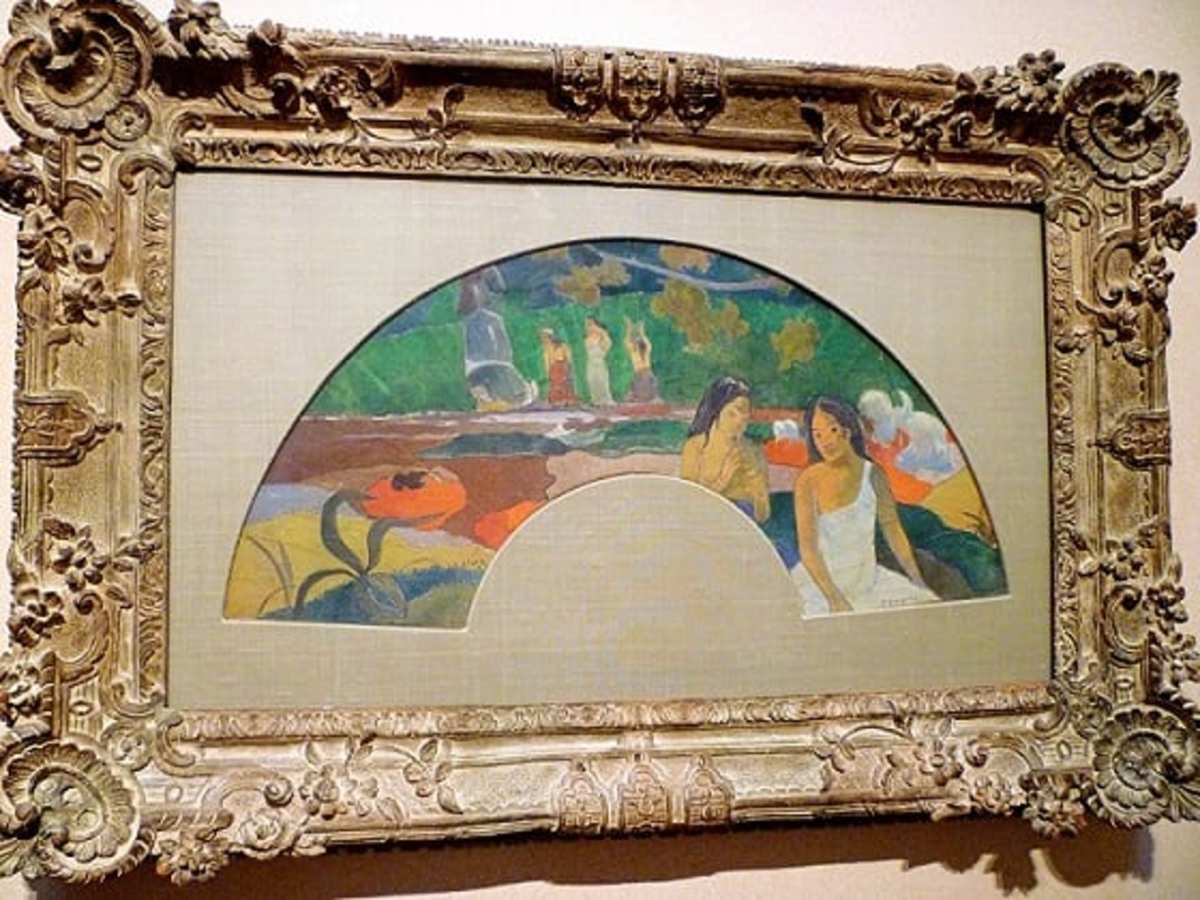
The fan-shaped painting above by French artist Paul Gauguin (1848-1903) titled Arearea II is a watercolor on canvas. It was painted in 1894. Adjacent to the piece of art are the following words:
“Fans and fan-shaped paintings were much in demand in the Paris art market of the 1890s. Paul Gauguin based this delicate fan on a larger oil painting (now at the Musée d’ Orsay in Paris) completed during his first visit to Tahiti. Arearea, which means ‘joyfulness’ in the Tahitian language, Maori, may refer to the musical reverie of the two young women in the foreground, or to the spiritual experience of the three women worshiping an idol in the background. It may also refer to the decorative intent of Gauguin’s glowing planes of color.”
Francisco de Goya
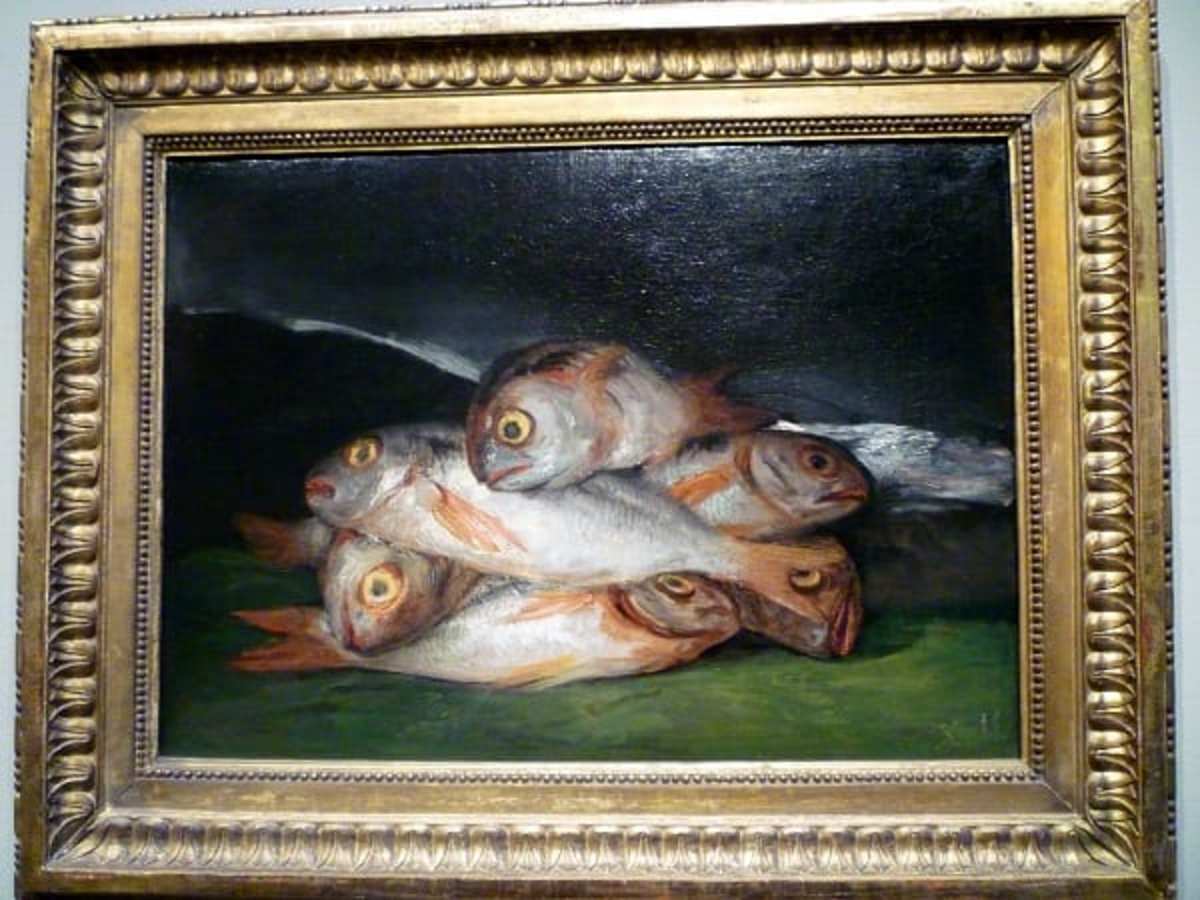
A Spanish artist, Francisco de Goya, lived from 1746 to 1828. He seldom painted still life paintings. The dates on this oil on canvas are between the years 1808 to 1812.
My husband and I had the wonderful opportunity to visit the magnificent Prado Museum in Madrid, Spain. During our visit, we had the chance to admire numerous paintings by Francisco de Goya, as well as works by El Greco and other artists. It was an experience that we will never forget!
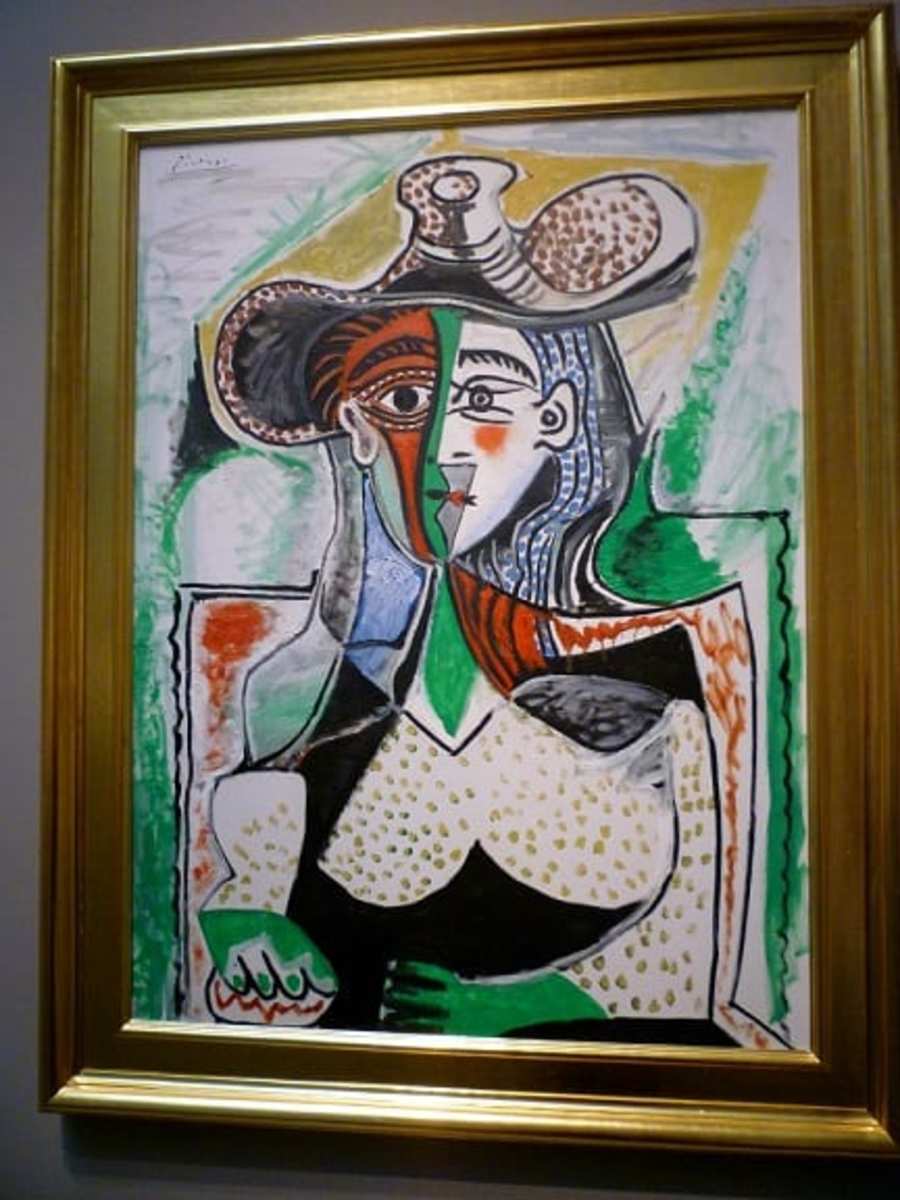
Pablo Picasso
This oil on canvas titled Seated Woman by Spanish artist Pablo Picasso (1881-1973) has a date of 1962. Many people are familiar with this modern artist’s works, who is famous for his cubism. Were you aware of his other activities and creations? They include the following:
- Printmaking
- Sculpting
- Drawings
- Etchings
- Ceramicist
- Poet
- Playwright
- Stage Designer
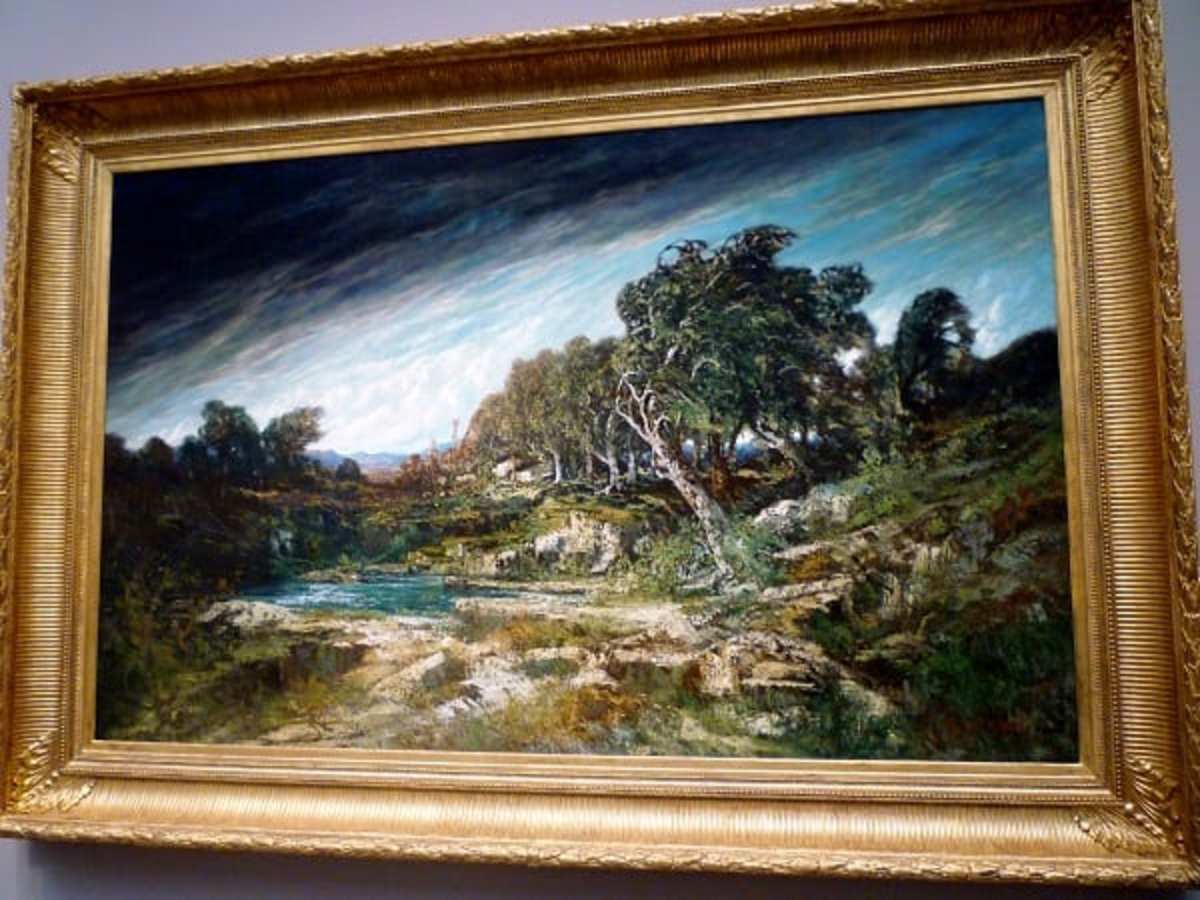
Gustave Courbet
The Gust of Wind is an oil on canvas painted by the French artist Gustave Courbet (1819-1877) in 1865. Just look at the effects of the wind in the bending of those tree branches! That darkened sky portends stormy weather soon to arrive on the landscape scenery.
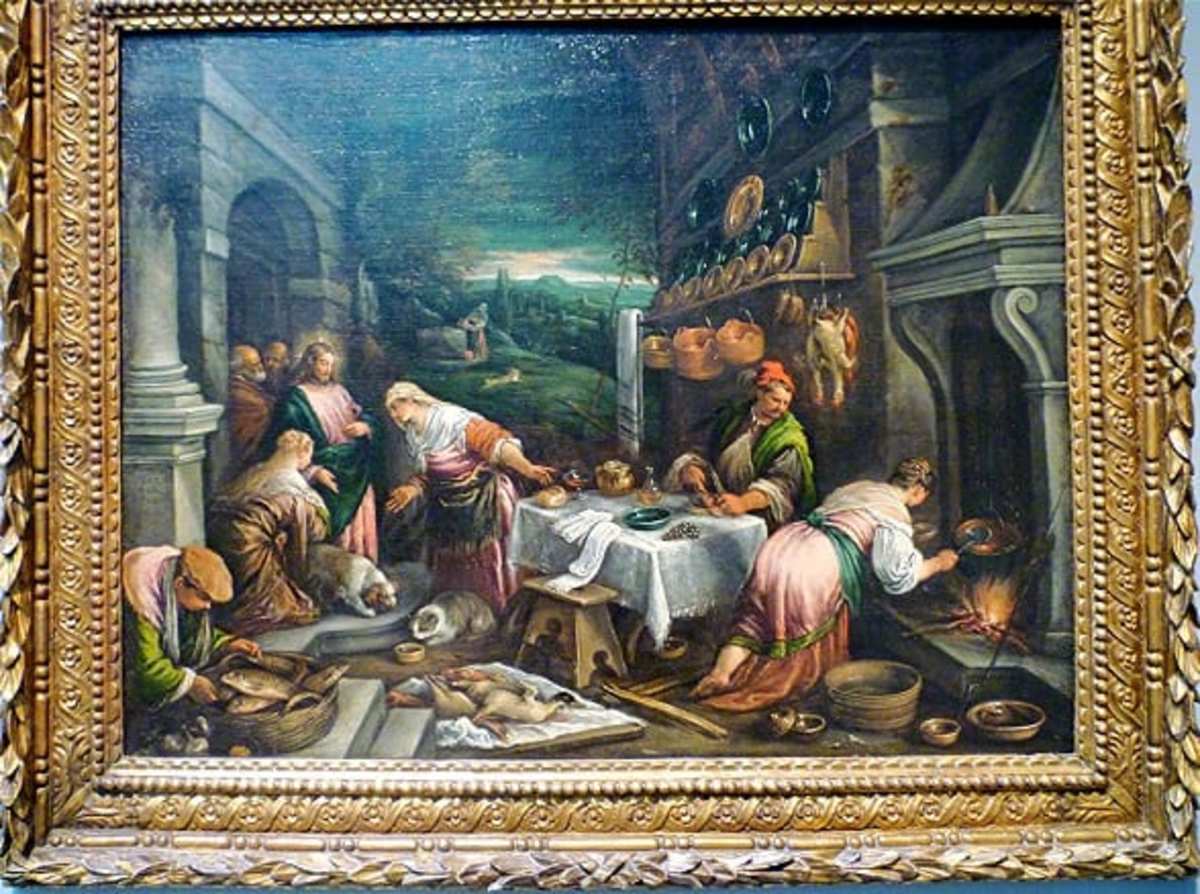
Jacopo and Francesco Bassano (da Ponte)
This painting was created by Italian artists who were the father (Jacopo, 1510-1592) and son (Francesco, 1549-1592). Titled Christ in the House of Mary, Martha, and Lazarus, this oil on canvas, was created in the years 1576 to 1577.
Below is what was written alongside this painting.
“Jacopo da Ponte was trained in Venice but worked in his native town of Bassano, where he ran an active workshop with his sons Francesco, Gerolamo, and Leandro. Jacopo and Francesco collaborated closely in the mid-1570s, especially on medium-sized compositions for private collections, such as this painting, which is signed by both artists on the base of the column at left. Biblical subjects are treated as scenes from daily life: Jesus and his disciples are welcomed into the home of Lazarus and his sisters, Mary and Martha. Mary kneels on the step, Martha shows the guests in, and Lazarus, seated at the table, awaits their arrival.”
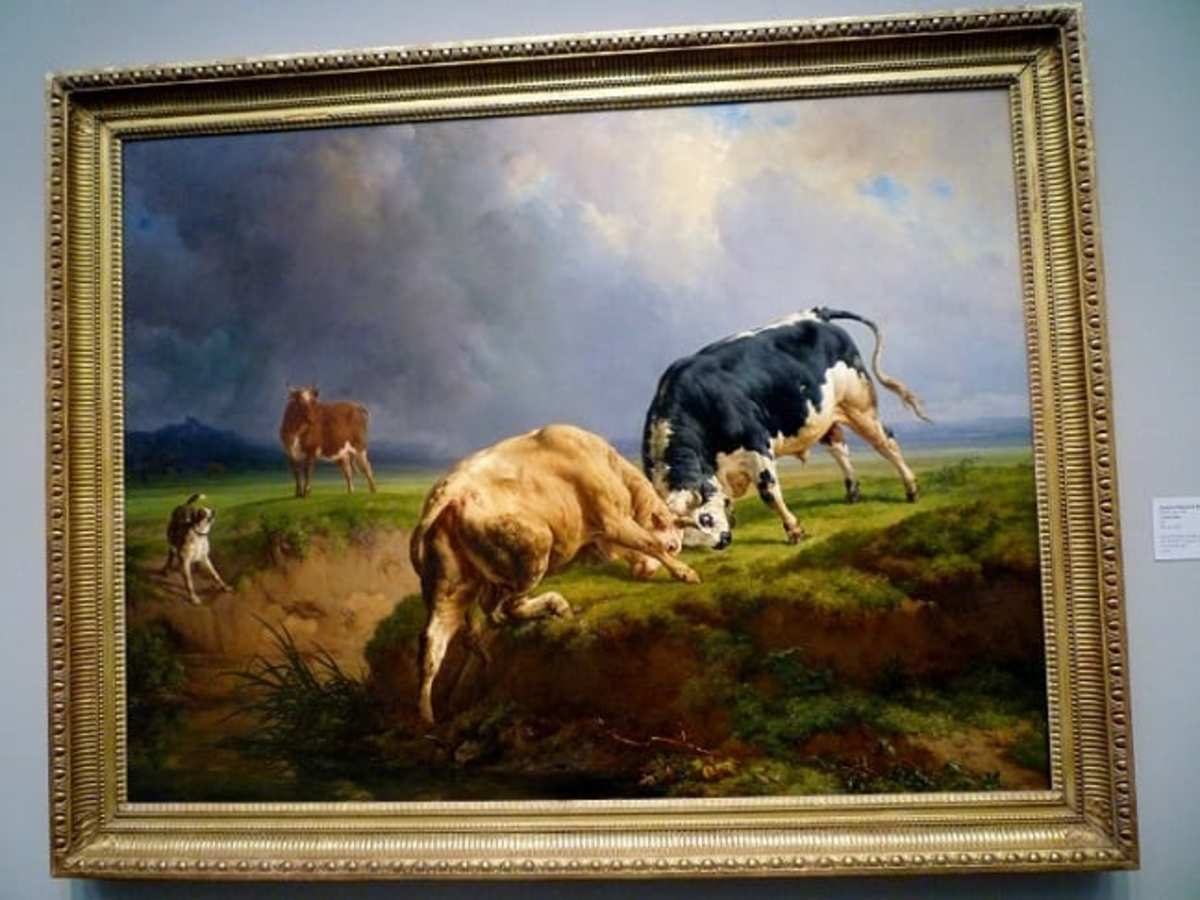
Jacques-Raymond Brascassat
Another French artist, Jacques-Raymond Brascassat (1804-1867), created this painting titled A Bull Fight in 1855. It is an oil on canvas.
Notice the bulging muscles of the blonde-colored bull climbing out of a gully as he locks horns with the black and white bull on the grassy area above. Another cow watches the fracas under an appearing stormy sky. A barking dog adds noise to the sudden commotion.
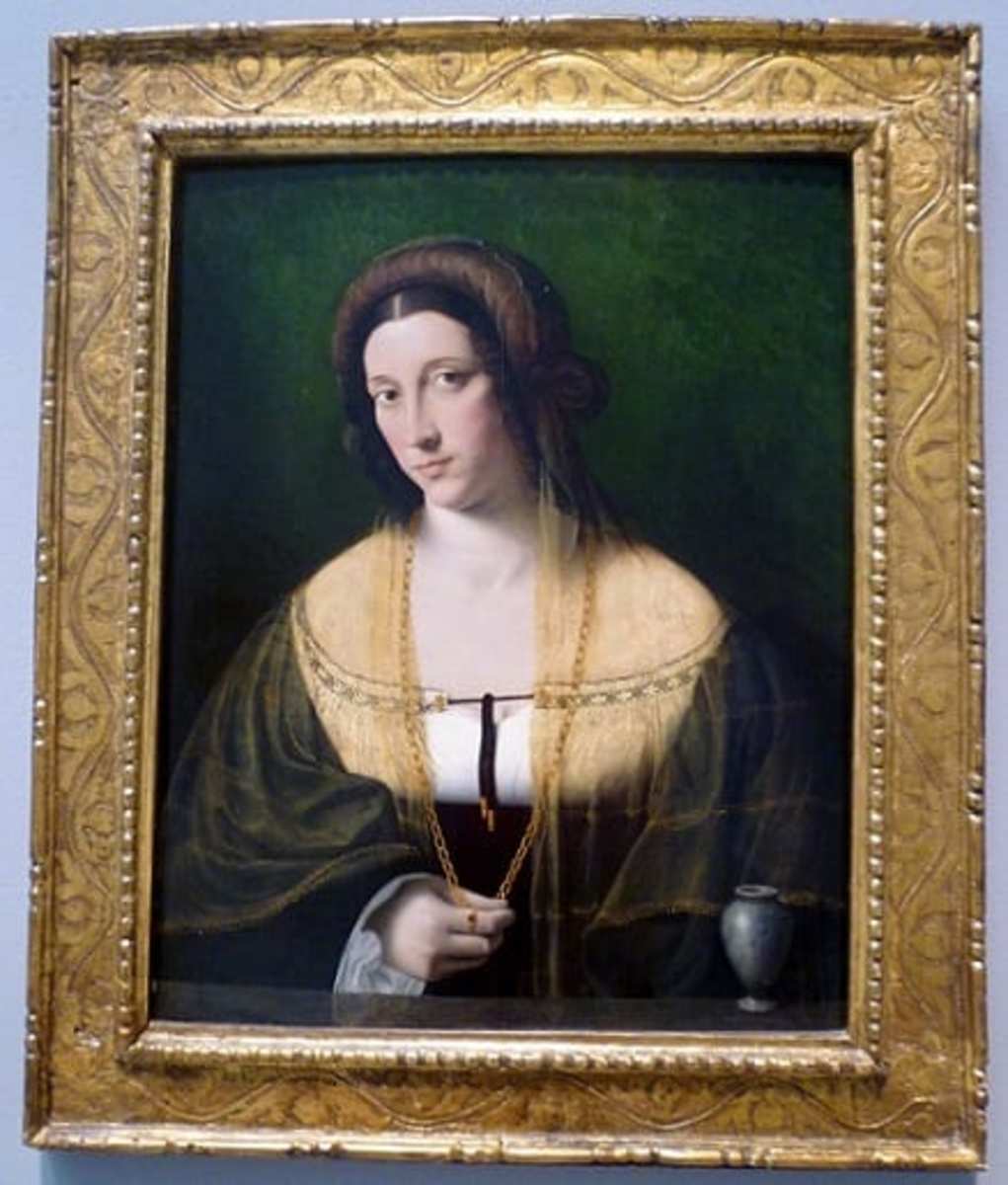
Bartolomeo Veneto
An Italian artist, Bartolomeo Veneto, lived from 1480 to 1531. This Portrait of a Woman is an oil on a panel probably painted in the 1520s. This is what is written next to this beautiful portrait.
“Little is known about the life of Bartolomeo Veneto, who was active in the northern Italian cities of Venice, Ferrara, Turin, and possibly Milan. The sitter in this portrait is equally elusive. Although she has been identified as Cecilia Gallerani, the mistress of Duke Ludovico Sforza of Milan, the probable date of the painting does not correspond to Gallerani’s age. The ointment jar on the ledge may be intended to identify the sitter with Mary Magdalene, who bathed the feet of Jesus in ointment.”
Portraits can tell much about people and the times in which they lived.
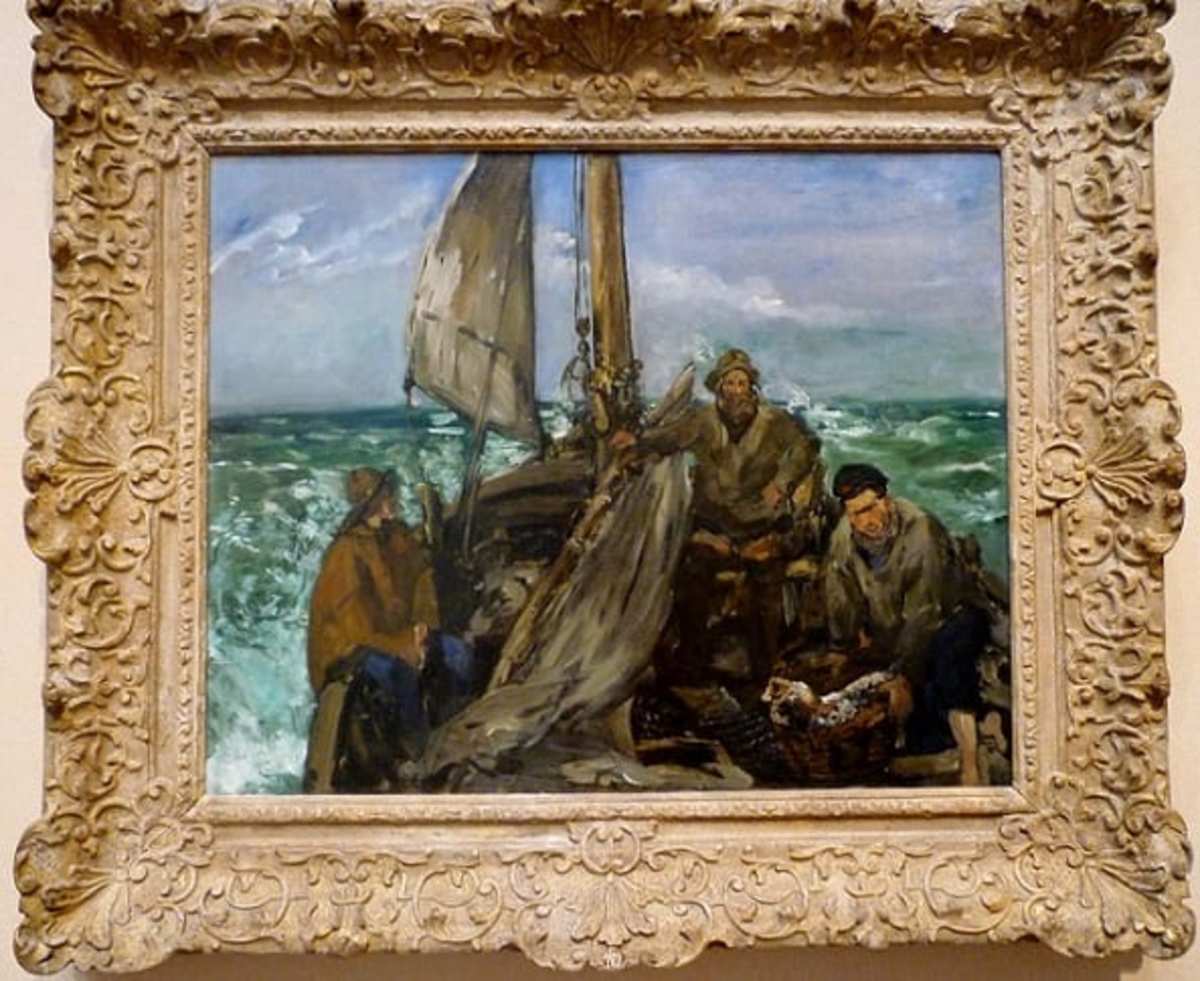
Édouard Manet
Notice the rough brush strokes of French artist Édouard Manet’s oil on canvas. Manet lived from 1832 to 1883 and painted this action-filled canvas in 1873. Painting like this was considered very modern in its time. Viewers of this painting see a small sailboat amidst a choppy sea with fishermen busy doing their hard work of earning a living.
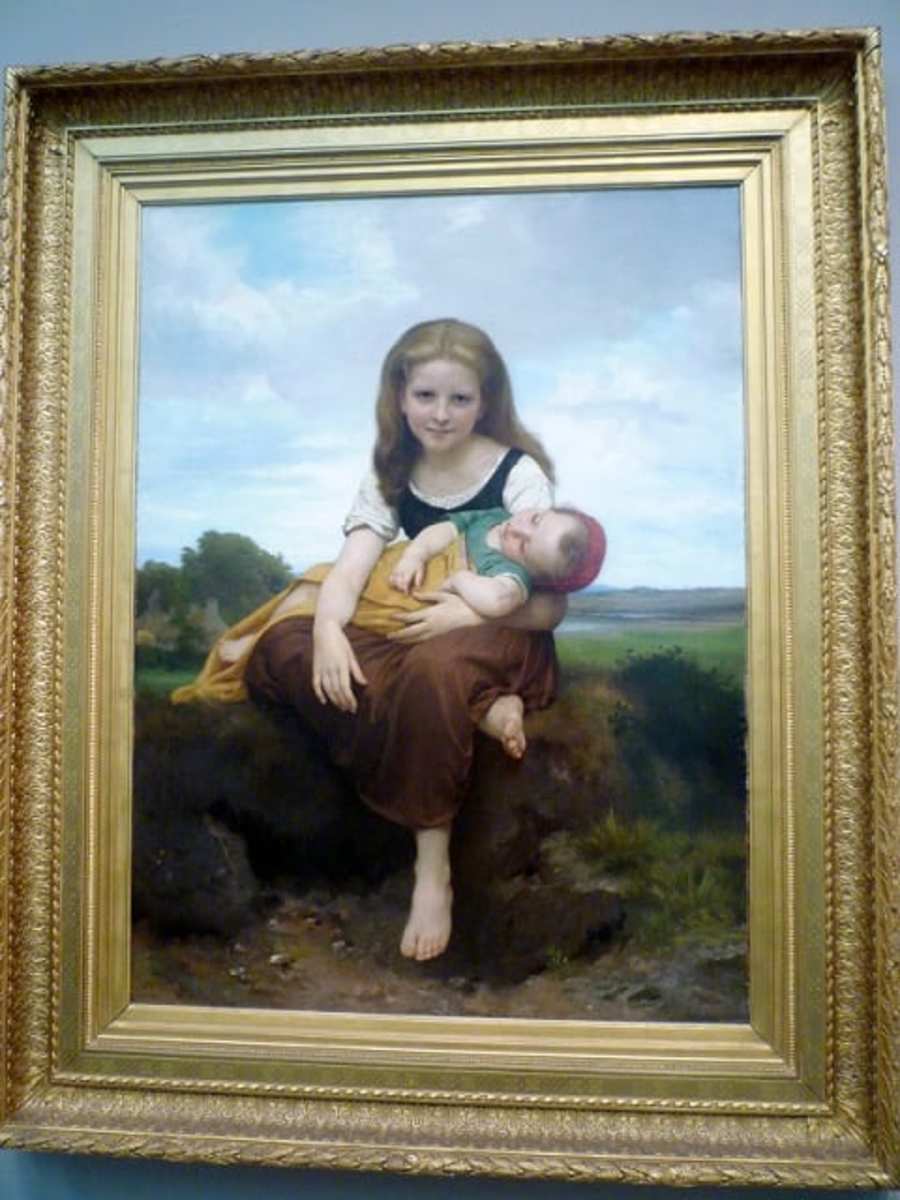
William Bouguereau
The Elder Sister by French artist William Bouguereau (1825-1905) is an oil on canvas with a date of 1869. It is a charming piece. Written to the side is the following:
“Among the most successful professional painters of his time, William Bouguereau was the prized product of the official French art system. Graduate of the Ecole des Beaux-Arts, winner of the prestigious Prix de Rome, and member of the French Academy, he was also a great favorite on the art market. Bouguereau’s smooth paint application, diligent attention to detail, balanced composition, and appealing subject matter made paintings like this one irresistible to all but the young avant-garde painters of the time, for whom Bouguereau was an artistic anathema.”
You can readily see many different painting styles from famous artists inside our museum. I hope you enjoyed this virtual visit.
Free Thursdays and More
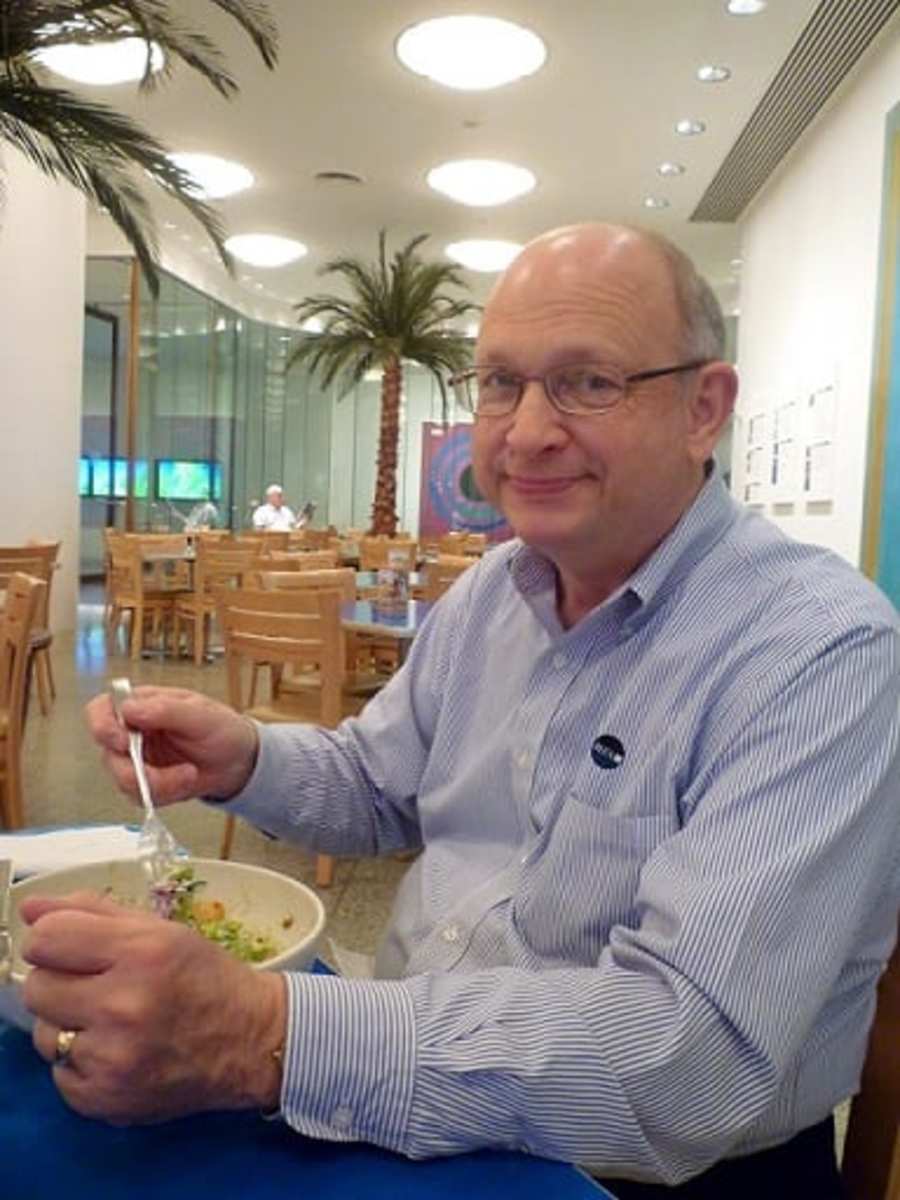
Spending time in our Museum of Fine Arts, Houston, can take quite some time. It is nice to know that there are good food and refreshments available inside of the Audrey Jones Beck Building for people wishing to take a break. The new building under construction will also contain a restaurant for patrons of the arts.
Except for special exhibits, general admission charges on Thursdays is free to the public thanks to the generosity of Shell Oil. Active-duty military members plus up to five family members also have their general admission charges waived. To see other fee schedules and hours, click on the highlighted museum link below.
Fine art is that in which the hand, the head, and the heart of man go together.
— John Ruskin
Sources
Related Articles
This content is accurate and true to the best of the author’s knowledge and is not meant to substitute for formal and individualized advice from a qualified professional.